

Tigray struggles to rebuild its future in peace
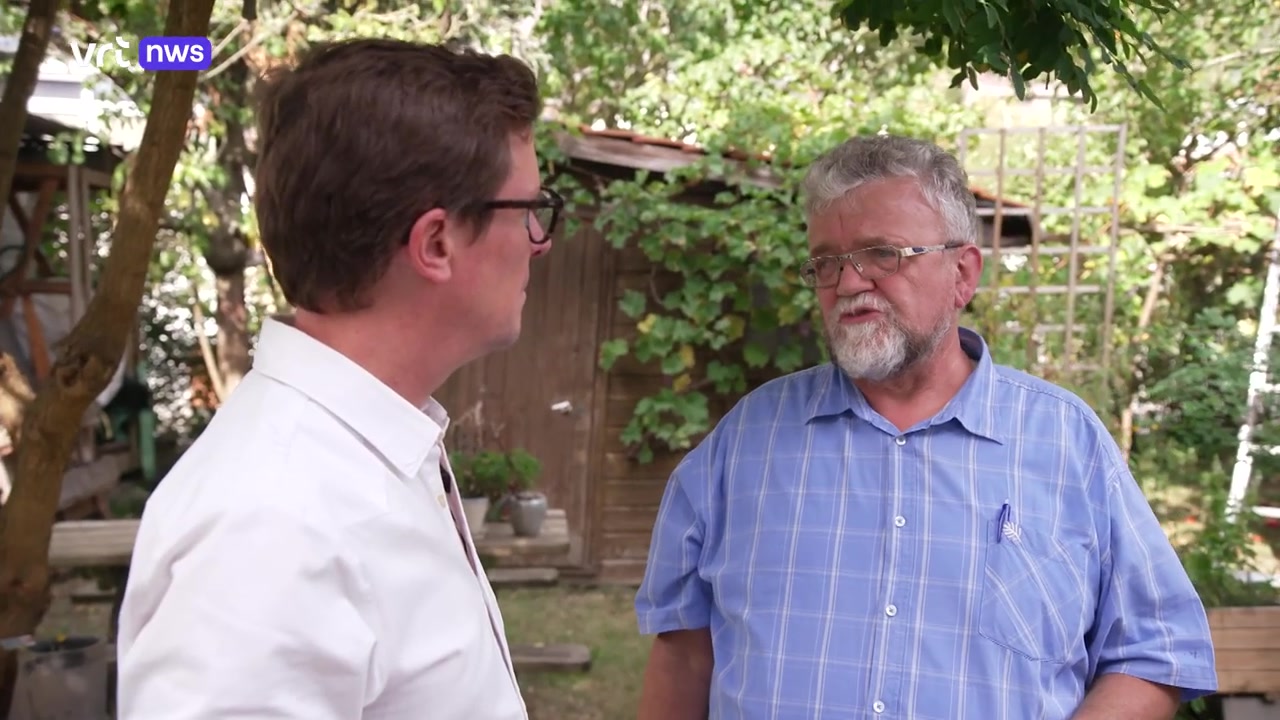
In this publication, which we have titled Tigray struggles to rebuild its future in peace, we describe the situation of a region marked by blockade and the threat of a new conflict erupting. Mogosa was in charge of gathering the information through a combination of direct observation, data, and reports collected from three Woreda government offices.
Instability and risk of conflict
The Tigray region, in northern Ethiopia, remains under prolonged blockade and instability. Tensions stem both from internal disagreements among the leaders of the Tigray People’s Liberation Front (TPLF) and from the lack of full implementation of the Pretoria peace agreement by the federal government.
Adding to this scenario is the recent rapprochement between the TPLF and the Eritrean regime, a relationship that lacks both popular support and backing from the Ethiopian federal government, and which fuels fears of a new outbreak of war. Although both parties deny it and attempt to present it as a mere border link, this closeness feeds mistrust and adds pressure to an already fragile context that could become a new cause for war instigated by Dr. Abiy Ahmed.
An inevitable return to war?
The interim government of Tigray and the TPLF state that they will not be the ones to start a new conflict, but they firmly demand the full implementation of the peace agreement, including the restoration of Tigray’s territorial integrity, particularly the return of Western Tigray. The federal government’s refusal to address this demand, together with the pressure from thousands of displaced people demanding to return to their homes and exerting pressure on the internal government of Tigray and the TPLF leaders through various actions, including prolonged protests, keeps the atmosphere in unbearable tension. Therefore, the situation must change considerably, in such a way that it forces both parties to fully implement the Pretoria agreement to avoid war between the federal government and the leaders of Tigray.
The region is trapped in a scenario of “neither war nor peace,” where any spark could reignite violence.
Impact on daily life
Beyond the political dispute between the federal government and the TPLF (centralization of power versus federalism), the people of Tigray endure a devastating social and economic crisis. The blockade of goods coming from Addis Ababa and neighboring regions to Tigray, and the near-total cut in fuel supply by the federal government, have paralyzed transportation and the operation of basic services. Companies and organizations have reduced staff or suspended activities, leaving thousands of workers at home without income or prospects.
Uncertainty has led many families to stockpile food and basic goods, while fear of a new conflict grows.
Consequences of a new outbreak
A return to war would be a total catastrophe for the population. In addition to human rights violations and war crimes, vital services such as banking, telecommunications, and electricity would be disrupted.
In the past, when Tigray was besieged, patients with chronic diseases received expired medicines or simply had no access to treatment, leading to thousands of preventable deaths. Today, no one in the region wishes to relive that tragedy. 600,000 Civilians died in two years of war in Ethiopia.
Youth without a future
Unemployment hits young people especially hard. The lack of opportunities, the reduction of businesses, the impossibility of opening new ventures, and the threat of war have generated a widespread sense of hopelessness.
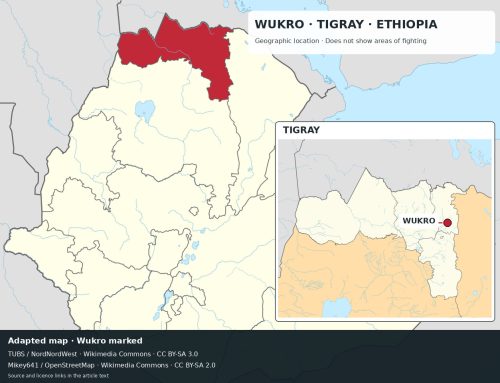
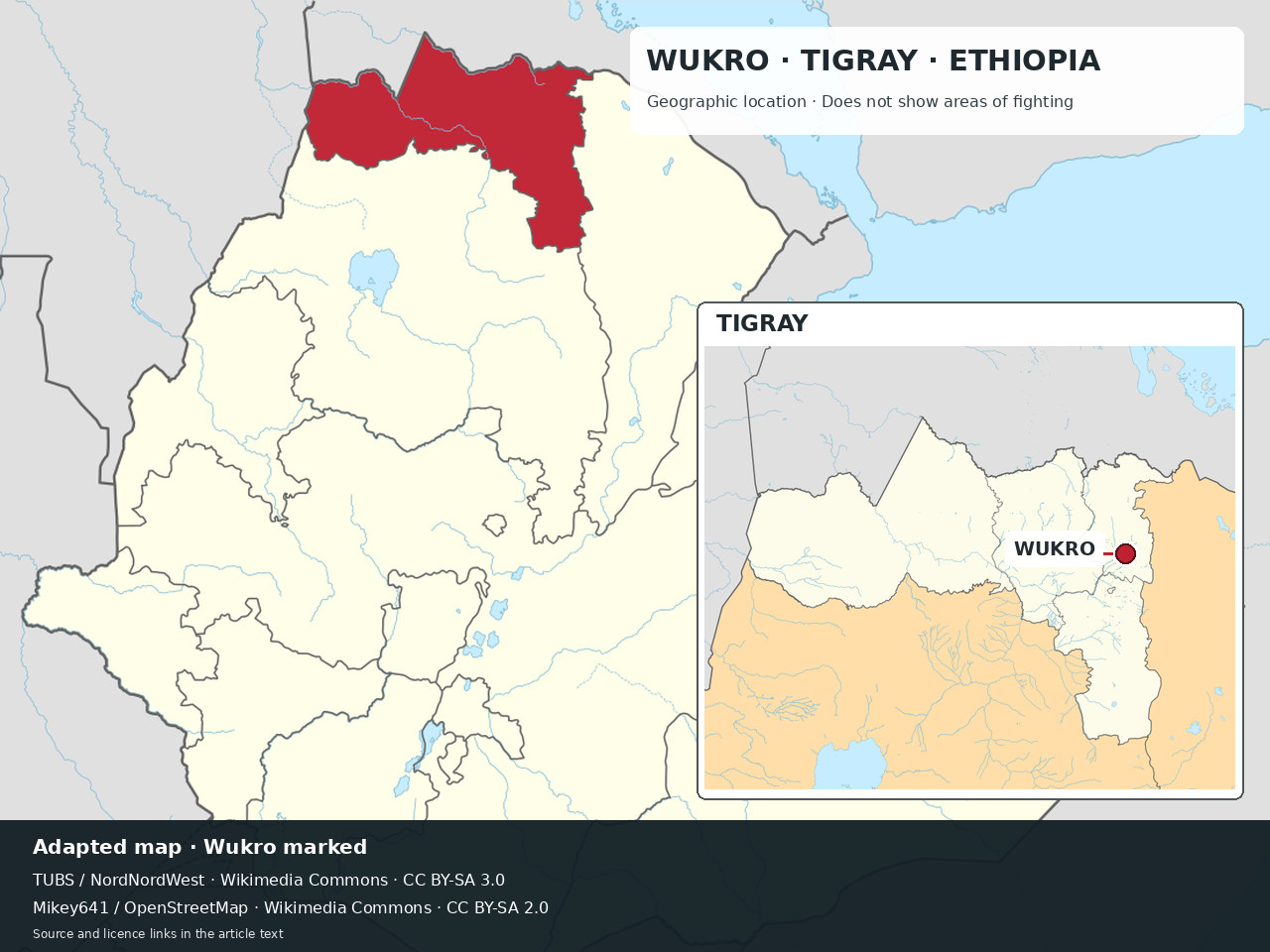
This is reflected in a worrying increase in urban violence, irregular migration—especially to Arab countries—and an unprecedented wave of suicides. In a single week, three teenagers took their own lives in one Tigrayan city. In July 2025, eight youth suicides were recorded (five in Mekelle and three in Wukro), some of them involving children as young as nine.
A besieged society with urgent demands
The population lives in a situation of semi-siege. Families demand food, medicine, and shelter for internally displaced people. Students need educational materials, and girls are requesting dignity kits.
Youth and young mothers require psychosocial support, vocational training, and small economic aid to help them start life projects. Without these alternatives, the region risks losing an entire generation, pushed into forced migration, crime, or prostitution, with the consequent rise of diseases such as HIV.
Forced migration: a foretold tragedy
The so-called “risky migration Hadegegna Sdet” has become a painful reality. Hundreds of Ethiopians, driven by desperation, attempt to reach Saudi Arabia by crossing Yemen’s deadly routes.
On August 3, 2025, the death of 68 Ethiopian migrants shocked the entire country. It is not an isolated incident: the ongoing conflicts in Ethiopia continue to drive young people to risk their lives in search of a safer future.
A region in a vicious cycle of violence
Millions of people have been displaced, thousands of women and girls have suffered extreme sexual violence, and hundreds of thousands of lives have been lost since the war began in 2020. Insecurity, kidnappings, and killings keep the population in a constant state of fear.
The situation in Tigray demands immediate and coordinated responses: preventing a new conflict, ensuring humanitarian aid, and opening up future opportunities for a society that, despite everything, continues to fight for survival.
Your help can make a difference
At the Fundació CIS Ángel Olaran, we work every day to stand beside the most vulnerable people of Tigray, especially in Wukro, where the humanitarian situation is critical. With your support, we can provide food, medicine, access to education, and hope to families who have lost everything.
👉🏽 Your donation is not just material aid: it is a gesture of solidarity that saves lives and restores dignity. Make a donation!
Testimony of hope and concern from Ángel Olaran
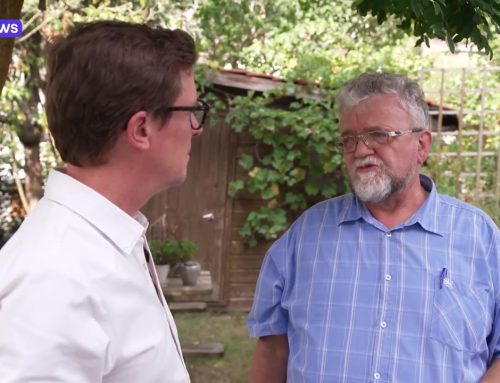
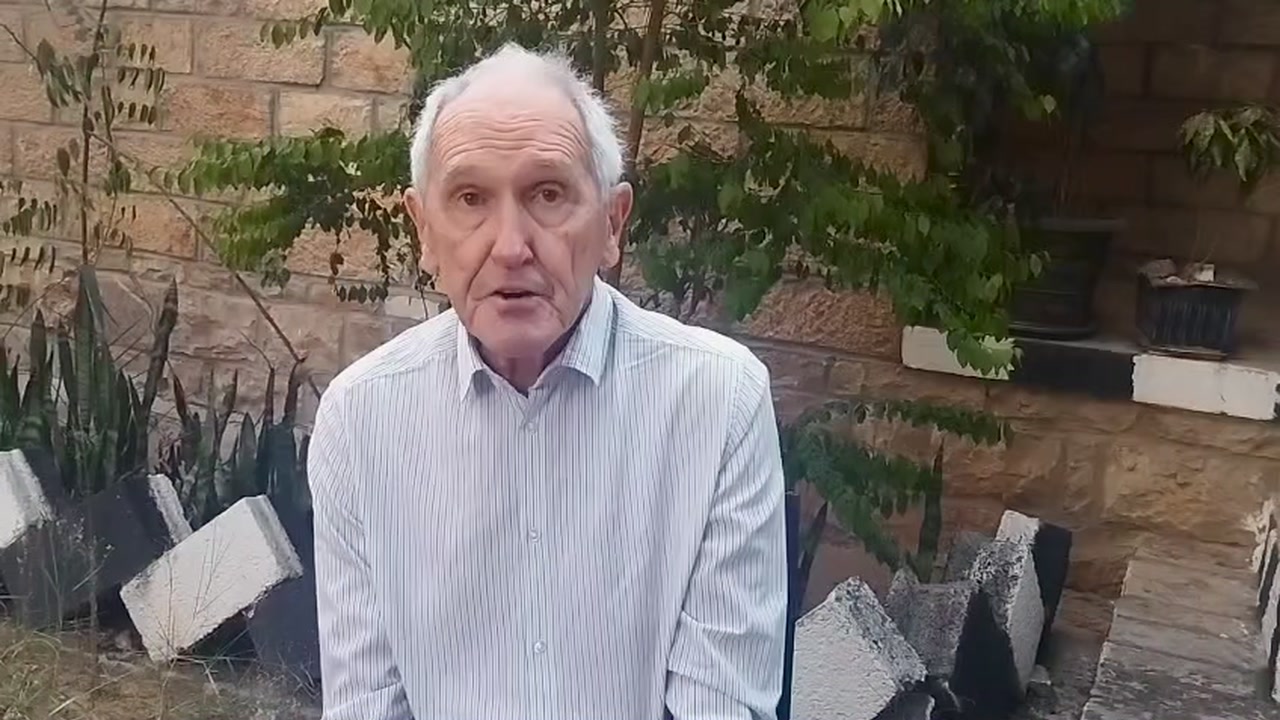
👉🏽 Also read the testimony of Ángel Olaran, missionary in Wukro, who shares his vision of the present and the future of Tigray: “I hope we will say never again to a war between brothers.”

Administrative map of Tigray according to Ethiopia’s constitutional boundaries. It does not reflect the current de facto territorial control resulting from the armed conflict (2020–2022) or ongoing disputes. Licensed under CC BY 4.0. Author: Sofie Annys (via Zenodo / Wikimedia Commons). (29 June 2024).
Source: “A Chronicle of the Tigray Tragedy (2020-2024)”, Jan Nyssen.

Map of the Ethiopian Civil War (2020-present). All credit goes to Ethiopia Map’s (18 january 2025)
Source: Ethiopia Civil War (2020-present).
The Pretoria Agreement
The Ethiopia–Tigray peace agreement, also called the Pretoria Agreement or the Cessation of Hostilities Agreement (CoHA), is a peace treaty between the government of Ethiopia and the Tigray People’s Liberation (TPLF) that was signed 2 November 2022, wherein both parties agreed to a “permanent cessation of hostilities” to end the Tigray war. The agreement was made effective the next day on 3 November, marking the second anniversary of the war.
Source: The Pretoria Agreement
Missionary Ángel Olaran, on October 8, 2023, wrote about the persistent challenges in the implementation of the Pretoria Peace Agreements in Tigray: One year later.
With the collaboration of