

Ángel Olaran is well in Wukro, but families need help
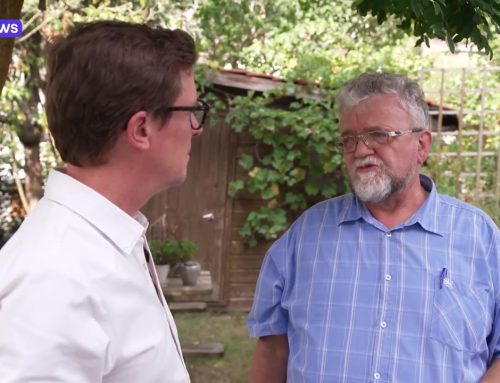
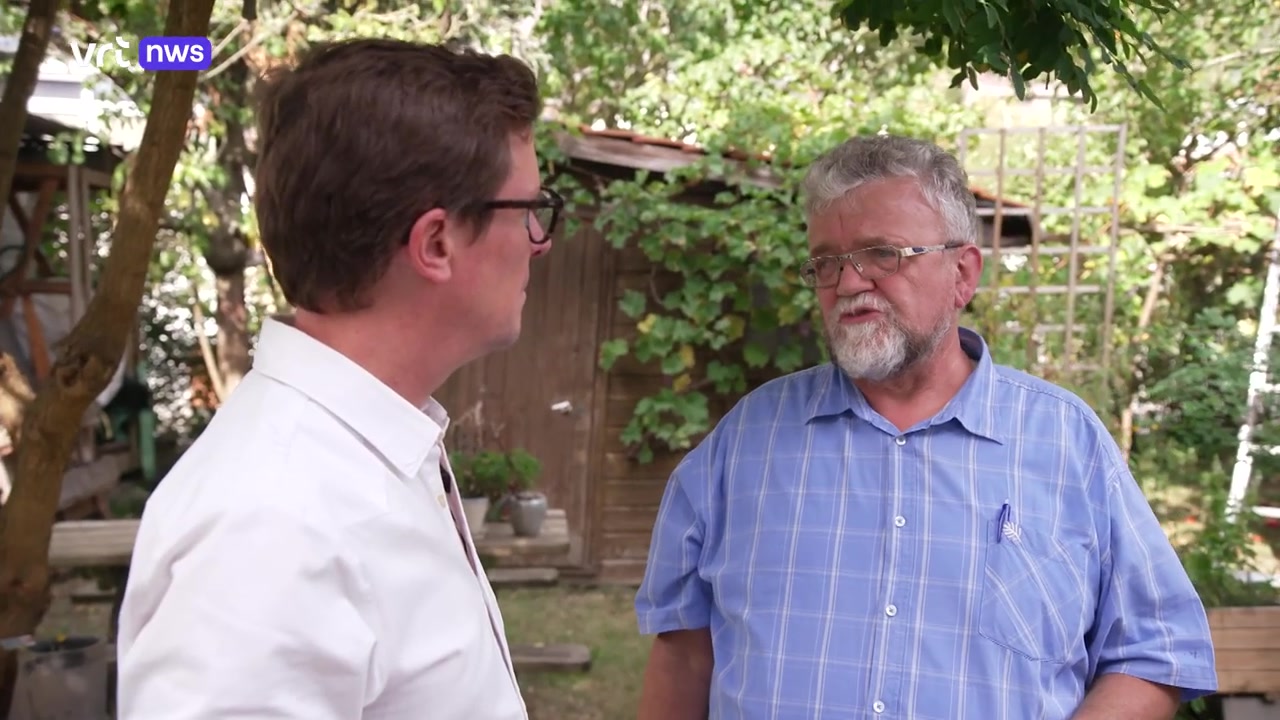
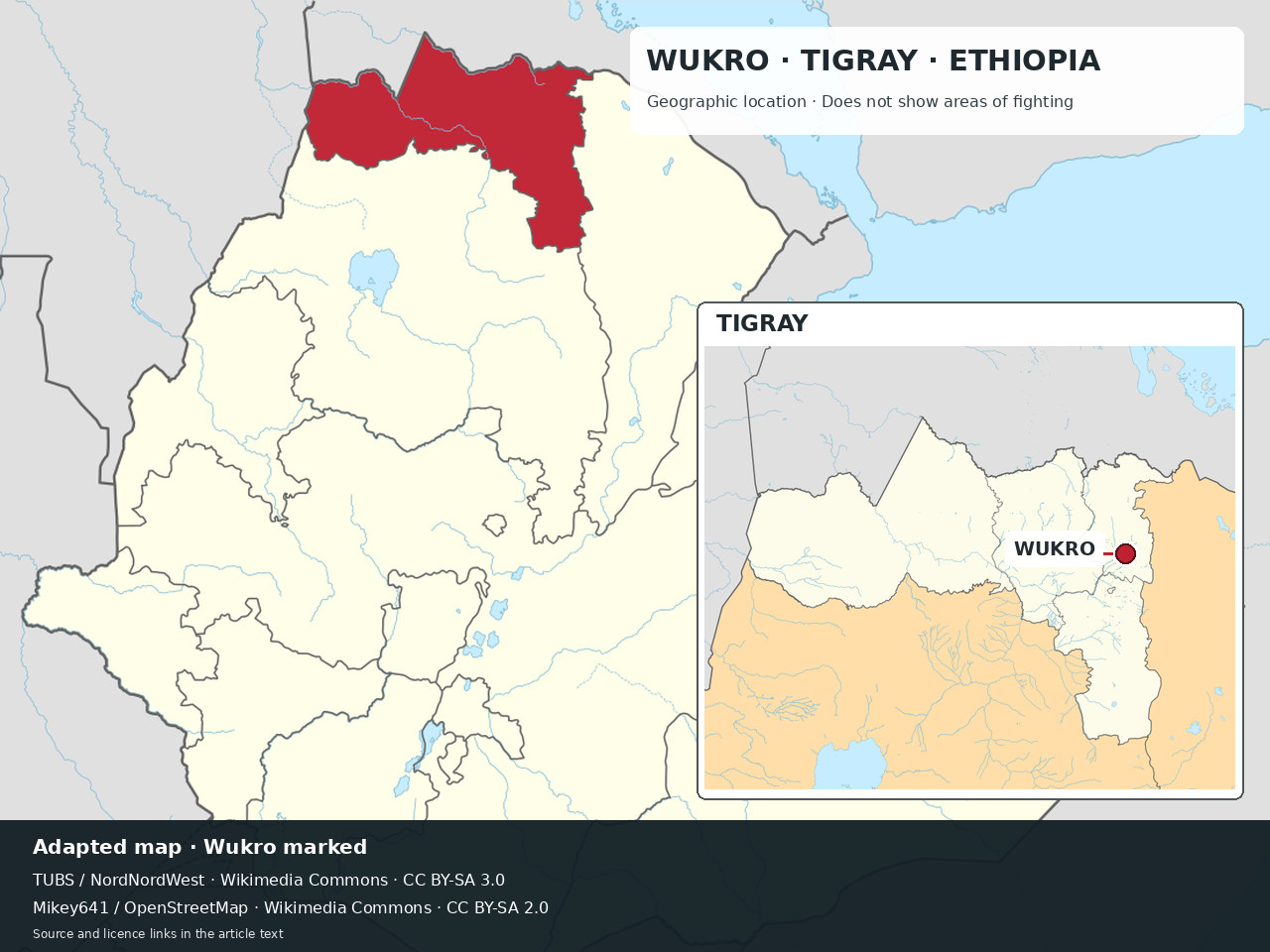
Father Ángel Olaran is well in Wukro, but families need help. In a video, he explains how people are coping with the armed conflict in Tigray, amid near-total crop failure and growing food and healthcare needs.
“Good afternoon. We’re here, and we’re well.” With these words, Father Ángel Olaran begins the message we are sharing with you. Hearing him and seeing him in Wukro brings us relief and, through his voice, helps us feel closer to the people who are so often in our thoughts.
His message reassures us, but he also speaks frankly about the difficulties facing the population and his concern about meeting needs as basic as having enough to eat.
At the Fundació CIS Ángel Olaran, we want to share his testimony with everyone who stands alongside us. We invite you to listen in just over two minutes, he explains why continued support for Wukro is needed.
Ángel Olaran: a video message from Wukro
In a video message from Wukro, Father Ángel Olaran explains how they are coping with the situation.
Limited information and concern for families
Ángel Olaran explains that he does not have enough direct information to describe precisely what is happening on the front line. At the time of his testimony, he places the fighting far from where he is but expresses very specific concerns about people’s living conditions.
His words bring us closer to families’ everyday needs amid the uncertainty surrounding the conflict.
A harvest that cannot feed families
One of the issues he highlights most is the harvest, which he describes as almost non-existent and, in some places, non-existent. He explains that, in some cases, only the wheat straw could be used to feed livestock, while no food remained for the family.
As he points out, this hardship would exist even without war. The lack of a harvest leaves households with fewer resources to sustain themselves and increases concern about the months ahead.
Added to this are problems with the banks. Ángel Olaran says they are beginning to operate, but access to money has been very limited. Having the funds to buy what is needed is another of the difficulties he describes.
Being able to put a little bread on the table
In the video, he explains that they are helping around 700 people but expects the number of people needing support to rise. The priority he expresses is simple and essential: being able to have “a little bread on the table”, while also addressing healthcare needs.
He also mentions support for orphaned children and older people. His concern extends across the region, where, he explains, few towns and villages receive similar support.
These words remind us of the importance of sustaining support and responding to emerging needs. Behind every figure are people who need to eat every day.
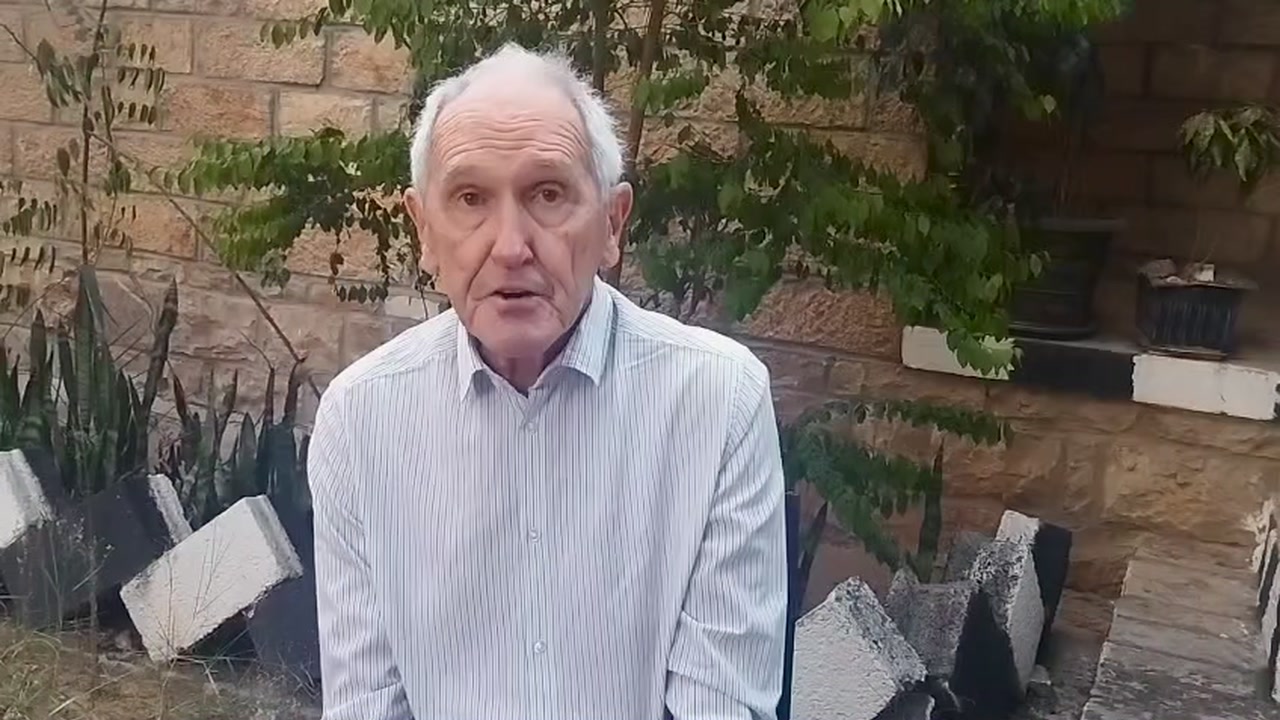
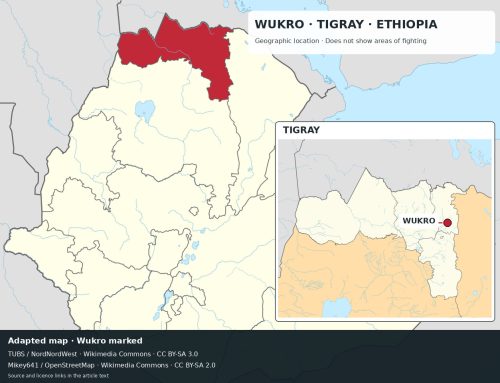
Ángel Olaran, Wukro, Tigray, Ethiopia.
We continue to stand alongside Wukro
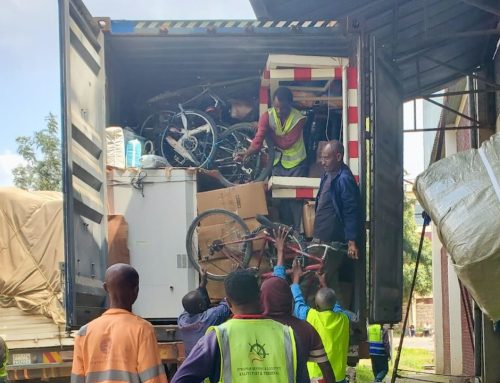
At the Foundation, we support Ángel Olaran’s work and run humanitarian aid and development cooperation projects. We work to sustain support for the most vulnerable people, adapting our activities to their needs and to security and access conditions.
To our members, supporters and donors, thank you for maintaining this commitment. Your support helps sustain work that becomes especially necessary as people face increasing difficulties in getting enough to eat and looking after their health.
If you can contribute, making a donation is a practical way to support our work in Wukro. With the hope that families can regain a sense of security and live in peace, we continue to stand alongside them.
Ángel Olaran complements the video with a written message
In the text below, Father Ángel Olaran shares his perspective from Wukro on the situation in Tigray and the population’s bewilderment at the alliances between the opposing sides.
Ángel Olaran writes:
“I think the various parties involved are taking up positions.
No soldiers have travelled along the roads for 3 days now, and the hundreds who have passed through from both sides have fully respected the civilian population. Throughout their journey on foot, they looked tired and hungry, but they did not enter a single shop or take so much as a banana or a bottle of water. In Maychew, south of Makelle, some 15 civilians appear to have died as a result of a mistake.
The federal government wants access to the sea so that it can have its own port, and it is heading towards Eritrea.
Before November 2020, the Ethiopian prime minister signed the peace agreement between Eritrea and Ethiopia in Saudi Arabia, and at the same time they planned the attack on Tigray.
In the previous war, Eritrea fought alongside Addis against the Tigrayans, wreaking havoc among the civilian population. Eritrea opposed the signing of the peace agreement because it would lose the part of Tigrayan territory that it considers Eritrean and for which it had fought. Hence the hostility.
This time, they have not turned to Saudi Arabia as a mediator before engaging in armed conflict.
Meanwhile, Getacho, who was the TPLF’s spokesperson during that war, has joined the government in Addis; he presumably has his own army, the TPF —Tigray Peace Front—, which appears to be the force that entered Makelle from the east. The president of Tigray, who also held that position during the war and is a close friend of Getacho, has allied himself with Eritrea, despite the genocide.
There are more alliances of this kind, and the population is increasingly bewildered.
Warm regards,
Ángel”
RNE offers a broader perspective on the humanitarian consequences
Font: RNE, Reportajes 5 continentes. Reportatge de Valle Alonso, publicat el 14 d’octubre de 2026.
To help explain the context, we are also sharing “La situación humanitaria en Etiopía se deteriora” (“The humanitarian situation in Ethiopia is deteriorating”), a report by Valle Alonso, published on 14 October 2026 as part of RNE’s Reportajes 5 continentes programme.
RTVE’s official introduction explains that fighting has spread from Tigray to the neighbouring regions of Amhara and Afar and cites an estimate of around 150,000 people displaced since the start of the new offensive. This figure relates to the situation described by RNE, not specifically to Wukro.
The report complements Ángel Olaran’s testimony and helps place the difficulties facing families within a wider humanitarian emergency.
Listen to the full report on RTVE / RNE — in Spanish.
Source: RNE, Reportajes 5 continentes. Report by Valle Alonso, published on 14 October 2026.
With the collaboration of