

Tigray faces a new conflict: key insights from Belgian broadcaster VRT’s report
What could Tigray lose in another war? The VRT NWS report explores this question through the analysis of Jan Nyssen, a retired professor and physical geographer who has spent years conducting research in the region. His experience helps explain how the war from 2020 to 2022 interrupted decades of progress and why renewed fighting threatens a recovery that remains fragile.
At the CIS Ángel Olaran Foundation, we are sharing this report to explain the circumstances facing communities in Tigray and the people we support in Wukro. Nyssen’s analysis focuses on progress made before the conflict, the human cost of hunger and deprivation, and the tensions that could spread the war beyond Ethiopia’s borders.
Before watching the report: news from Wukro
Update on the afternoon of 9 October 2026
This afternoon, we were able to speak with Regat in Wukro, who told us that they are doing well given the difficult circumstances they are facing. Hearing her voice and receiving news directly brings us relief and encouragement, although we remain concerned about the situation facing the population.
According to ACLED’s alerts on Ethiopia, the Ethiopian federal army —ENDF— and its ally, the Tigray Peace Force —TPF— took control of Wukro on 7 October. In today’s update, 9 October, ACLED reports that these forces have also taken Idaga Hamus, further north, and identifies Adigrat as their possible next objective. The capture of Adigrat has not been confirmed.
Amid this uncertainty, the news Regat has shared with us is encouraging.
At the CIS Ángel Olaran Foundation, we remain committed to supporting the most vulnerable people in Wukro. This contact strengthens our connection and our hope that the population can regain safety and continue their lives in peace.
The progress interrupted by war
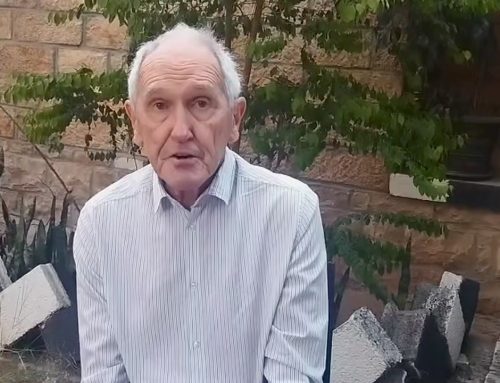
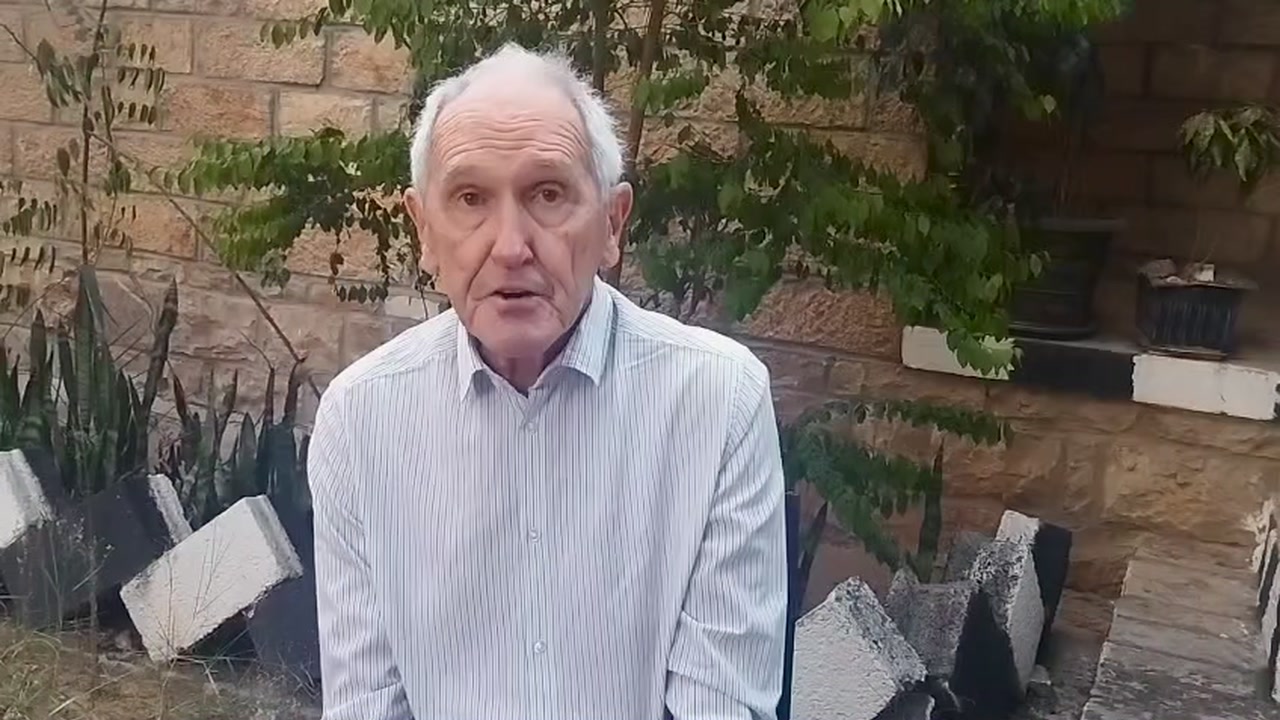
The VRT NWS report introduces Nyssen in his garden, where he keeps plants from Tigray. His connection to the region informs a perspective shaped by years of research: before discussing the destruction, the geographer recalls how life had changed for its communities.
Nyssen recalls the changes he witnessed after the famine of 1984 and 1985. Over the following decades, he explains, housing improved, electricity reached villages, more children gained access to school, and health centres were built. Work was also undertaken to control erosion and protect the soil.
“Over thirty years, the region developed enormously,” he says.
His account shows that the war affected more than buildings and infrastructure. It interrupted developments that had expanded access to education, healthcare and better living conditions. Understanding this progress helps us appreciate what communities were trying to regain and what is now under threat again.
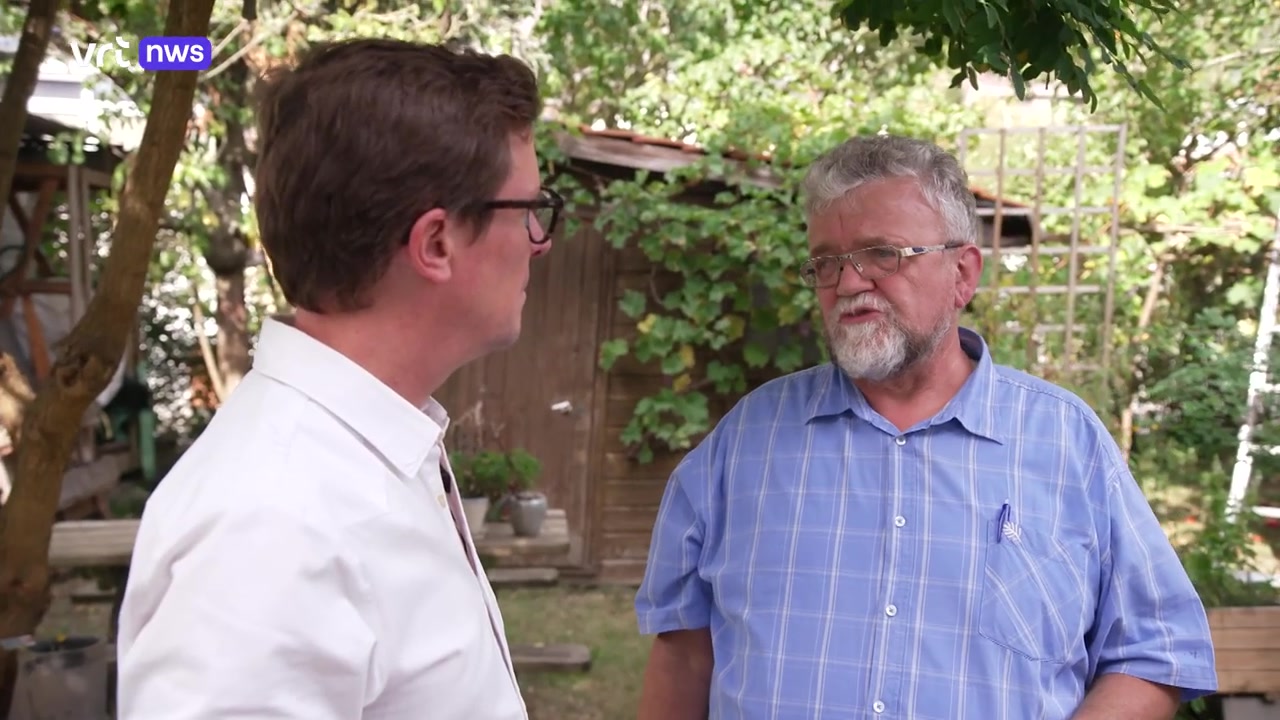
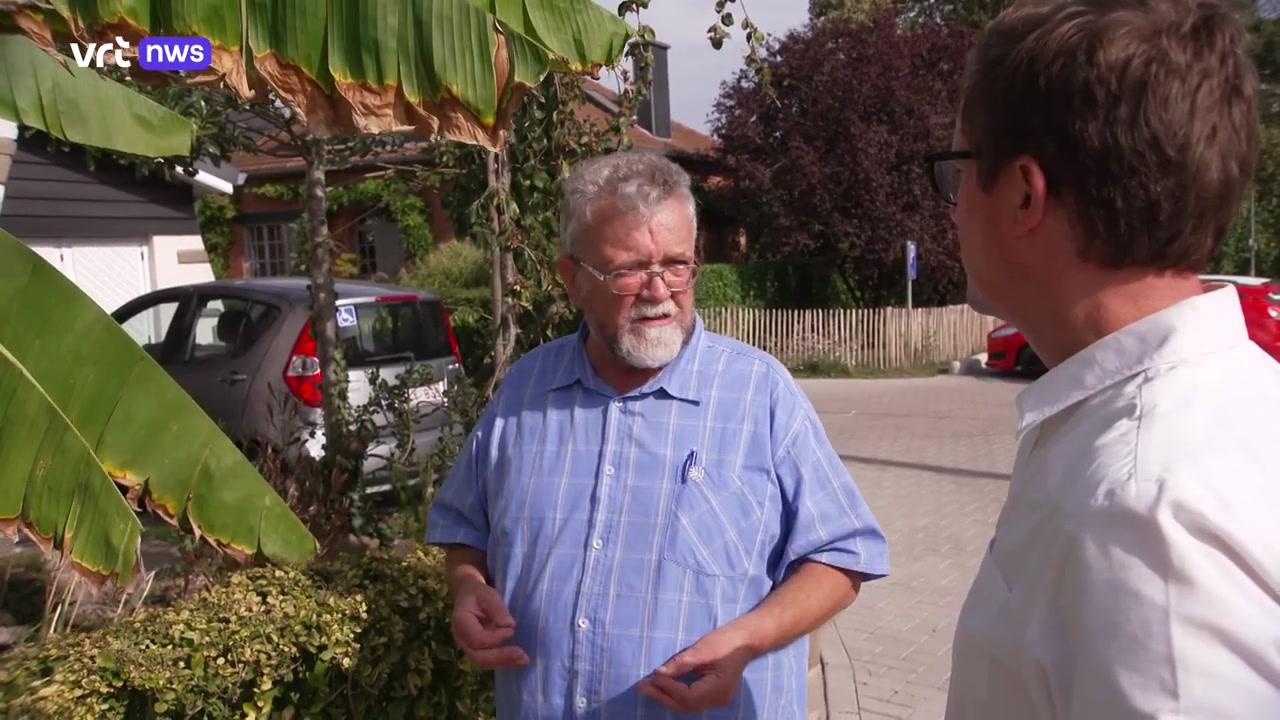
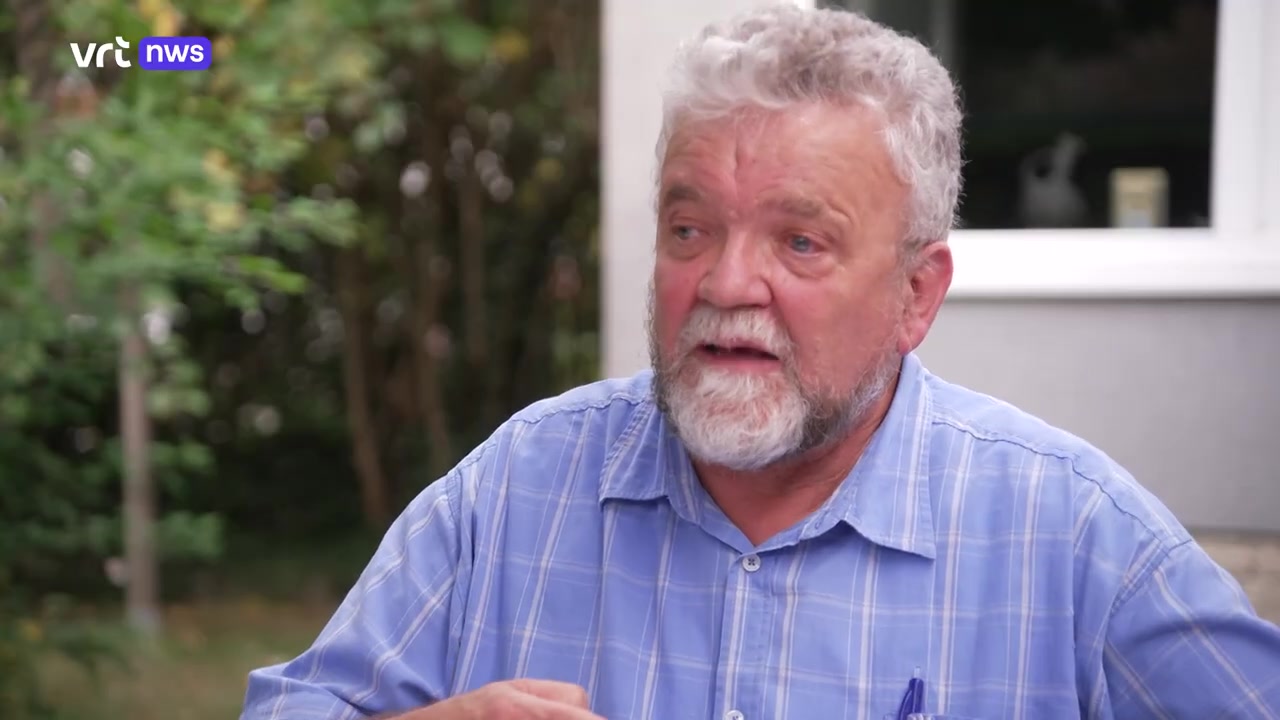
Still frames of geographer Jan Nyssen from the VRT NWS report.
Hunger and deprivation also explain the human cost
The war from 2020 to 2022 is central to the report. VRT NWS cites Nyssen’s estimates of between 300,000 and 600,000 civilian deaths. This is an estimate, rather than a definitive count of victims.
In explaining this toll, the geographer distinguishes between deaths caused directly by violence and those caused by hunger and deprivation. He refers to some 260 massacres which, according to the figures he presents, are estimated to have caused around 20,000 deaths. He stresses, however, that the region’s isolation and the lack of essential resources greatly increased the human cost of the conflict.
Nyssen’s distinction is essential to understanding the conflict: people’s suffering also depends on whether they can obtain food, receive treatment and access basic services. Humanitarian access therefore plays a central role in protecting communities and supporting their recovery.
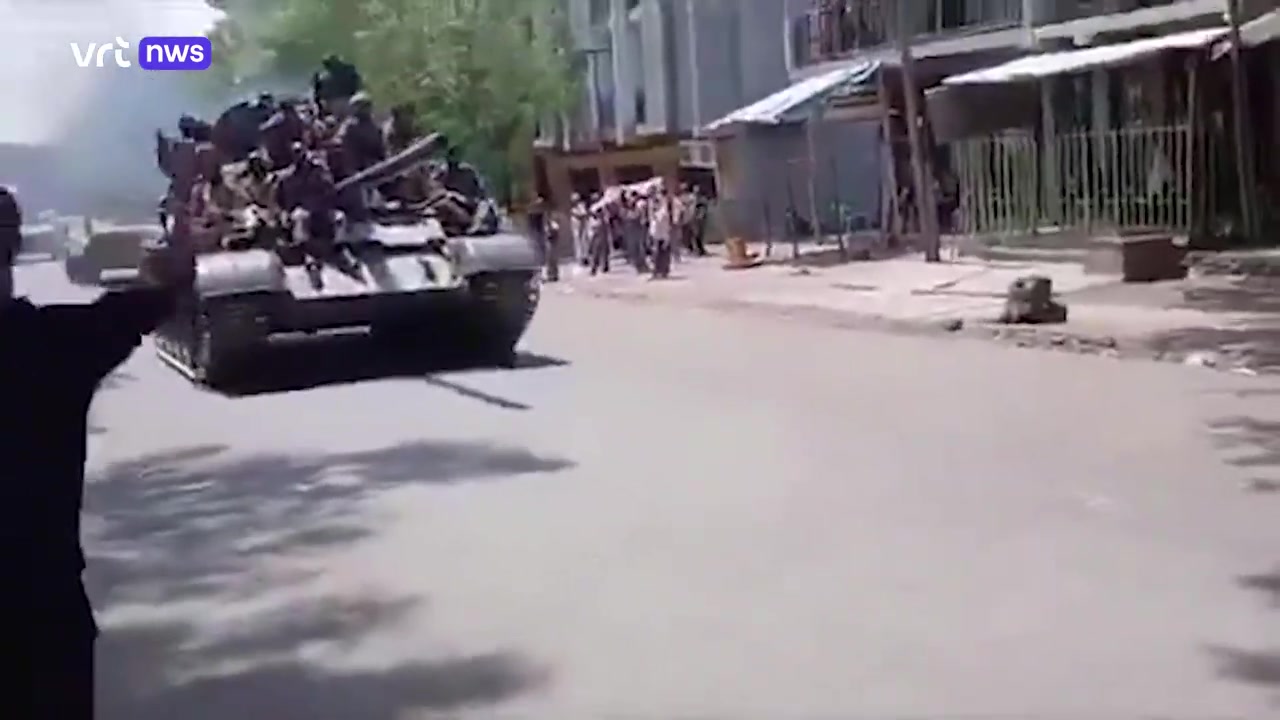
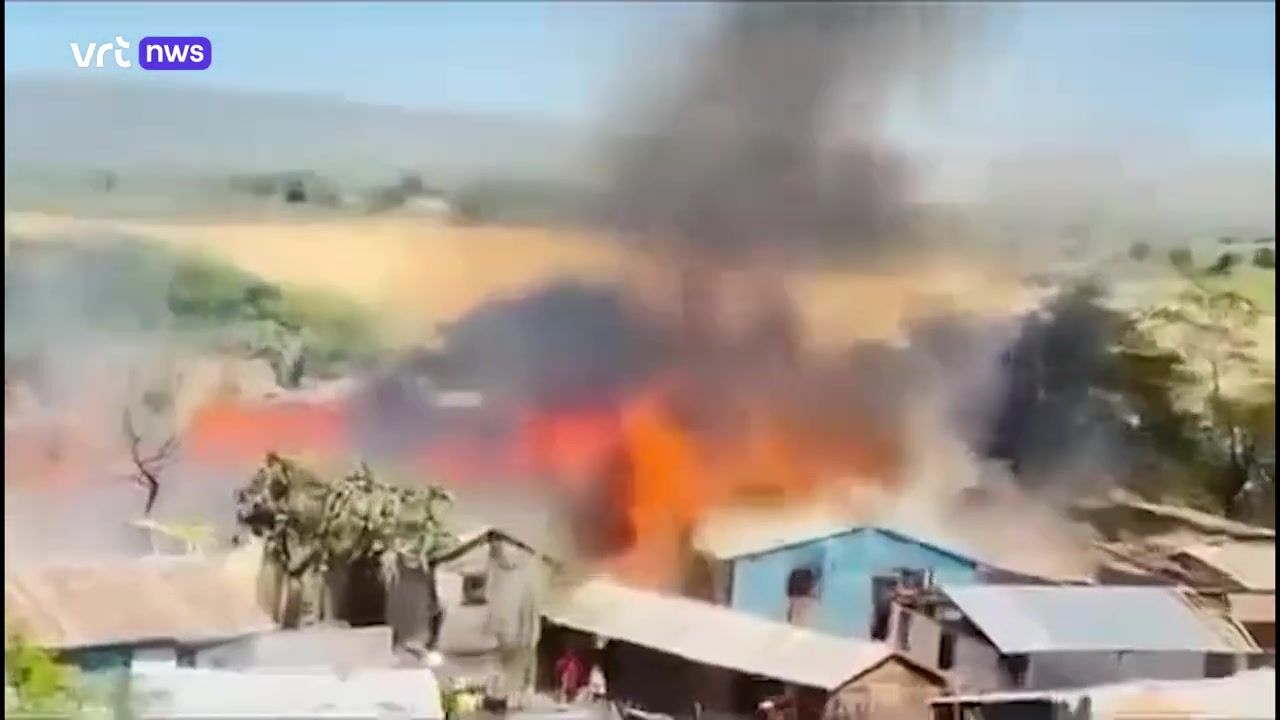
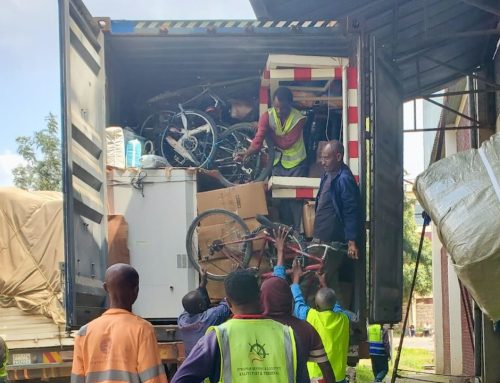
Still frames from the previous war featured in the VRT NWS report.
The gap between the peace agreement and recovery
On 2 November 2022, the Ethiopian Government and the Tigray People’s Liberation Front (TPLF) signed an agreement for a permanent cessation of hostilities in Pretoria, mediated by the African Union. The agreement created an opportunity to end the war and resume recovery.
Nyssen offers a critical perspective on the period following the agreement. During a recent visit to Tigray, he explains, he spoke to people who expressed discouragement and a feeling of being overwhelmed by deprivation. His account shows that, for these people, the end of the fighting had not meant a return to stable living conditions.
This is the geographer’s interpretation as presented in the report. Now, renewed clashes between Ethiopian federal forces and forces linked to the TPLF are once again putting recovery at risk. The parties offer conflicting accounts of the immediate cause of the hostilities; these accounts need to be distinguished from verified information.
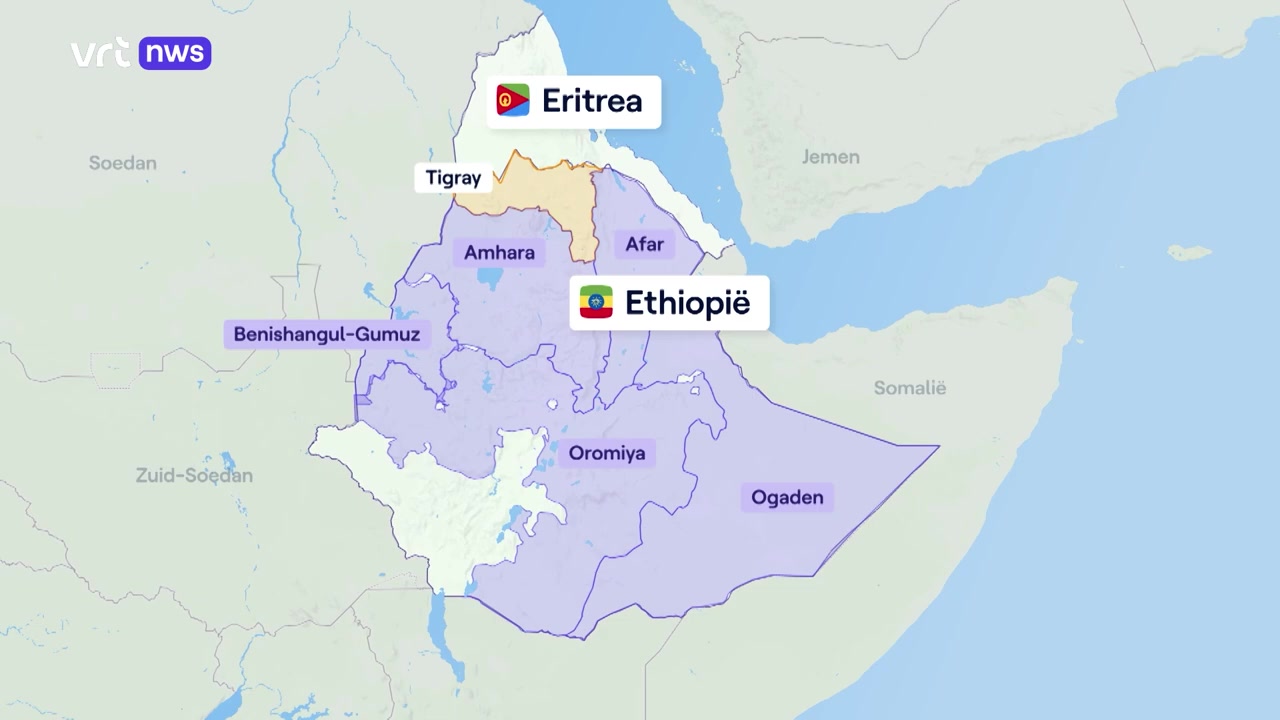
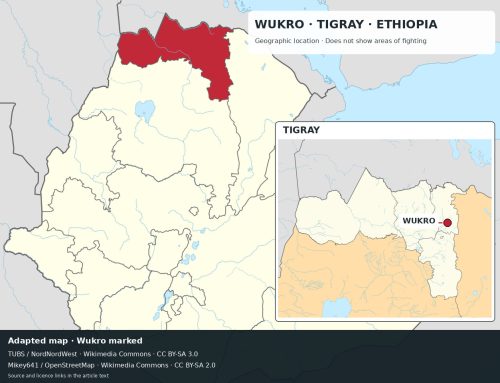
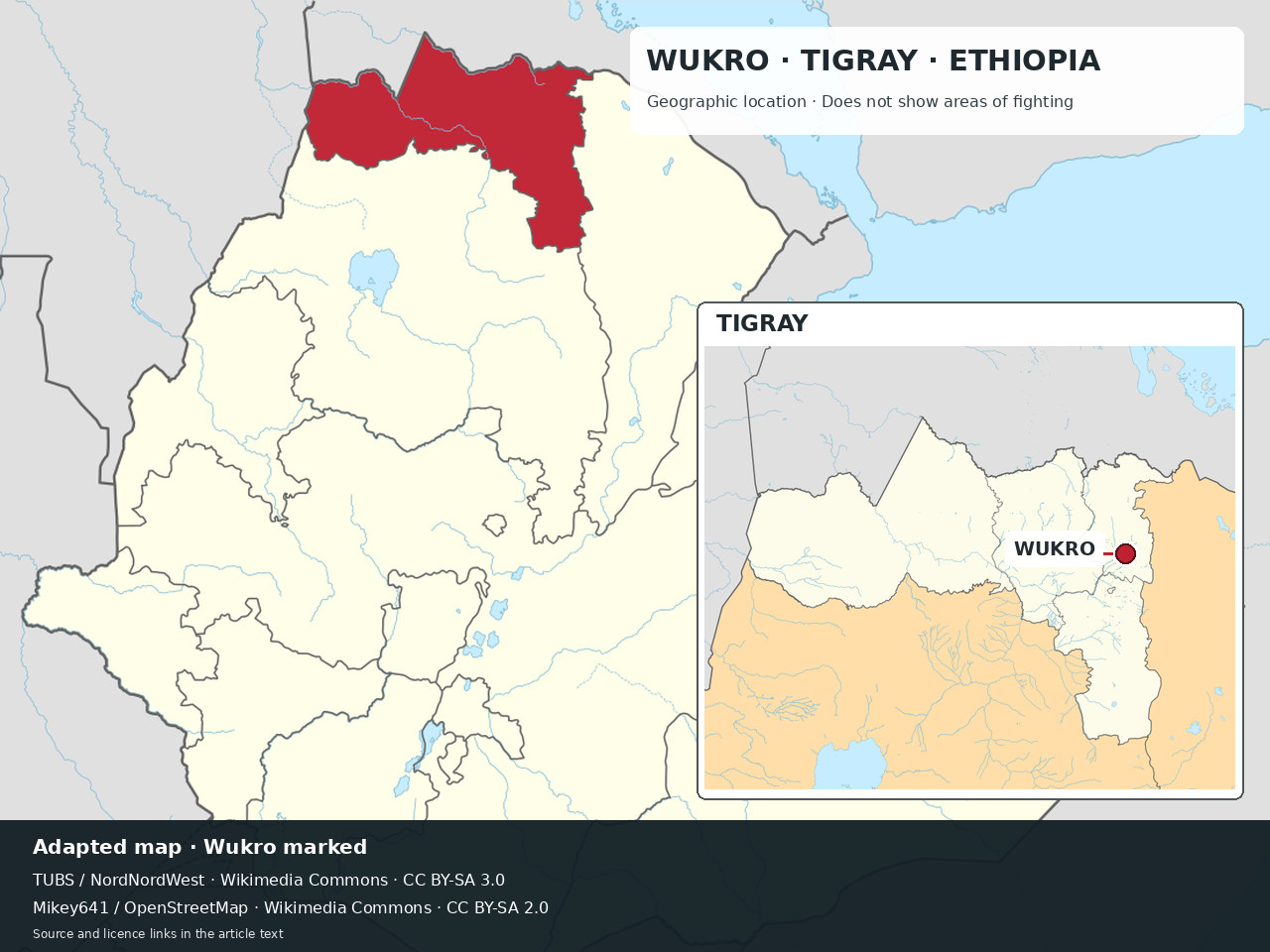
Still frame of the map of Tigray and Ethiopia from the VRT NWS report.
Fears that the conflict could spread beyond Tigray
The final part of the video broadens its focus to Eritrea, Sudan and the Red Sea. The narration links tensions between Ethiopia and Eritrea, the question of Ethiopian access to the sea and shifting alliances to the risk of regional escalation.
The report also mentions the interests of other countries and actors surrounding the war in Sudan and the Bab el-Mandeb Strait, between the Red Sea and the Gulf of Aden. It suggests that the conflict in Tigray could be aggravated by rivalries that extend beyond Ethiopia’s borders.
The report thus warns that regional rivalries could deepen the crisis. This is an assessment of risk; a wider war should not be regarded as inevitable.
The video also features the testimonies of Yousef and Daniel, two men from Tigray living in Belgium who, at the time of the interviews, were unable to contact their families. Their accounts show the uncertainty surrounding this new crisis and bring a human dimension to the context Nyssen analyses.
The VRT NWS report
Watch the video «Oplopende spanningen in Tigray, Ethiopië», about rising tensions in Tigray, Ethiopia.
Main source: VRT NWS report. Figures and participants’ interpretations are attributed to the source presenting them
How to watch the video with subtitles
To follow the report in English or Spanish, open it on YouTube and turn on the Subtitles/closed captions button at the bottom of the player. Then click the Settings ⚙️ gear icon, open Subtitles/CC and select the language. If it is not listed, look for Auto-translate and choose English or Spanish.
The options may vary depending on your device. If you cannot find automatic translation on your phone, try opening the video on a computer. Automatically generated or translated subtitles may contain errors; the text of this article helps you understand the analysis and testimonies in the report.
Help us sustain support for Wukro
Make a donation so that we have the resources needed to sustain and resume assistance as security and access conditions allow. We will report on the activities that can be carried out and how the funds received are used.
We continue to stand by the people of Wukro
Nyssen’s perspective on lost progress and the fragility of recovery connects with the commitment of the CIS Ángel Olaran Foundation. In Wukro, we promote development cooperation projects and support Ángel Olaran’s work, with particular attention to children, families and older people in vulnerable circumstances.
Neither the report nor the newly consulted sources allow us to confirm current conditions within Wukro. News about other parts of Tigray cannot automatically be applied to the local situation. We will continue trying to maintain contact with our partners and will share information about the town when we can verify it.
We reiterate the need to end hostilities, protect civilians and ensure safe access for humanitarian aid. The support of our members, partners and donors is essential to sustaining this commitment and having resources available for activities that can be carried out or resumed.
The latest developments deepen concern for the population
Updated on 2 October 2026
Developments on 1 and 2 October add to the context described in the video, both in diplomacy and in the humanitarian response.
On 1 October, Ethiopia announced the closure of its embassy in Eritrea and the expulsion of ten Eritrean diplomats. Eritrea responded by severing diplomatic relations. Acording to Reuters’s reporting, this escalation comes amid accusations by the Ethiopian Government that Eritrea, Sudan and Egypt have allegedly supported the opposition alliance led by the TPLF. All three countries deny these accusations.
In response to this deterioration, The African Union has called on Ethiopia, Eritrea and Egypt to exercice restraint, preserve communication channels and resolve their differences through dialogue. The diplomatic rupture worsens the regional situation, but does not make war between these countries inevitable.
Meanwhile, the humanitarian consequences continue to grow. In a report published on 2 October by Europa Press, OCHA warns of large-scale displacement and cites preliminary figures indicating that tens of thousands of people have had to flee their homes in Afar. Equivalent figures are not yet available for Tigray and Amhara. It also warns of health facilities that are overwhelmed or no longer operating, and humanitarian operations that have been almost suspended in Tigray because of insecurity and severe access restrictions.
Protecting children is one of the most urgent concerns. In its statement of 1 October, UNICEF says it has received reports of children being killed or injured and of damage to residential areas and public facilities. The organisation calls for the protection of children and essential services, and recalls communities’ efforts to rebuild schools, health centres and water systems, which are now under threat again.
For further context, in “Tigray once again faces a serious escalation of violence” we explain the renewed fighting and disruptions to communications, while “The UN warns of difficulties in delivering humanitarian aid to northern Ethiopia” describes the barriers hampering assistance. This coverage complements the testimonies in the report and helps explain how insecurity affects families’ daily lives.
With the collaboration of