

The UN warns of difficulties delivering humanitarian aid to northern Ethiopia
At the press briefing held in Geneva on 29 September 2026, the UN warned of difficulties delivering humanitarian aid to northern Ethiopia. Representatives of the United Nations expressed concern about the resumption of the conflict in Ethiopia. Their statements, together with warnings from the United Nations Office for the Coordination of Humanitarian Affairs (OCHA), highlight the difficulties in assisting the population.
The escalation of the conflict and restrictions on communications and transport are hampering assistance to the population. The United Nations is calling for safe and unhindered access for humanitarian personnel and relief supplies.
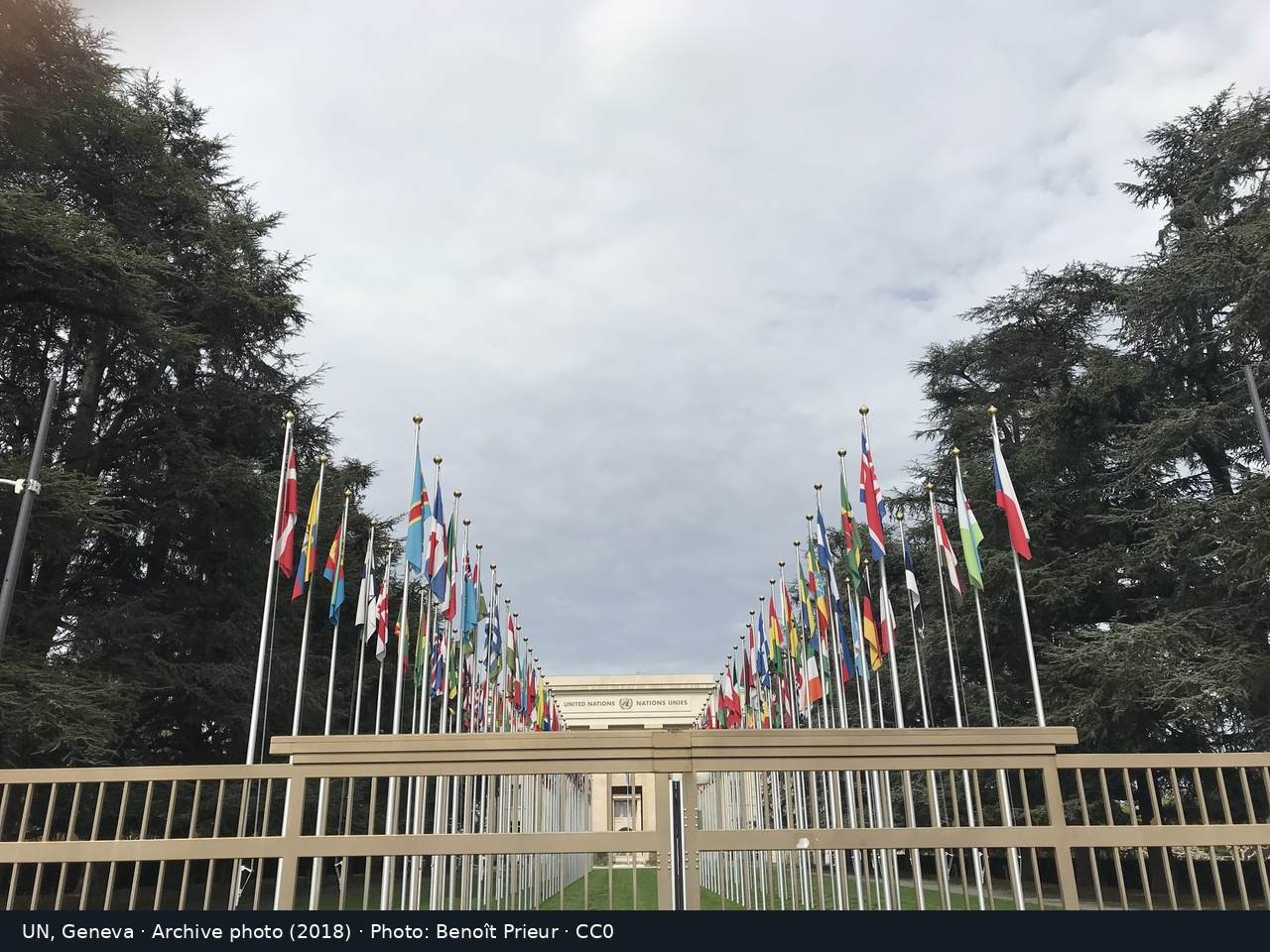
Palais des Nations, home of the United Nations Office at Geneva. Archive photograph from 2018. Photo: Benoît Prieur, via Wikimedia Commons, CC0 1.0 licence.
A peace agreement under renewed strain
The Pretoria agreement, signed in November 2022, ended two years of war. Tigray subsequently came under an interim administration accepted by the federal authorities.
According to the Europa Press report published by Notimérica, the TPLF —Tigray People’s Liberation Front— took control of the regional authorities in May 2026, intensifying tensions over compliance with the agreement. On 23 September, it announced a “defensive war”, attributing it to actions by the federal Government. This latter explanation represents the TPLF’s account.
United Nations monitoring and response
Matthew Saltmarsh, spokesperson for the UN Refugee Agency (UNHCR), stated that the agency shares the Secretary-General’s concern about the escalation. He explained that it is closely monitoring the situation and that its staff in the region are taking measures to support people on the ground.
Alessandra Vellucci, of the United Nations Information Service in Geneva, warned of severe access difficulties restricting the movement of supplies and called for safe conditions for humanitarian workers.
For her part, Amna Smailbegović, spokesperson for the World Health Organization (WHO), confirmed that it has a response plan covering emergency response, surveillance and early warning.
Barriers to providing aid
OCHA warns, according to the Europa Press report of 29 September, that insecurity is increasing needs. Telecommunications outages, the suspension of flights in Tigray and some areas of Amhara, and road restrictions are hampering staff movements, aid transport and essential services.
A lack of funding adds to these difficulties: some organisations have reduced or suspended activities, leaving less response capacity. Contingency plans are being strengthened to maintain assistance wherever access remains possible.
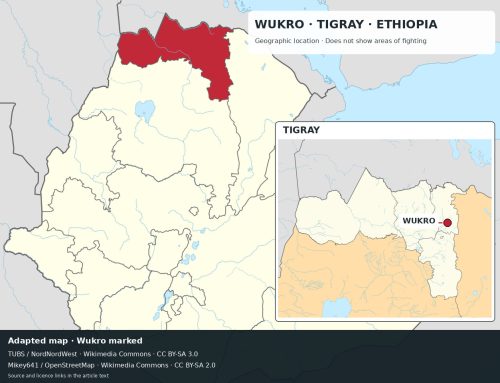
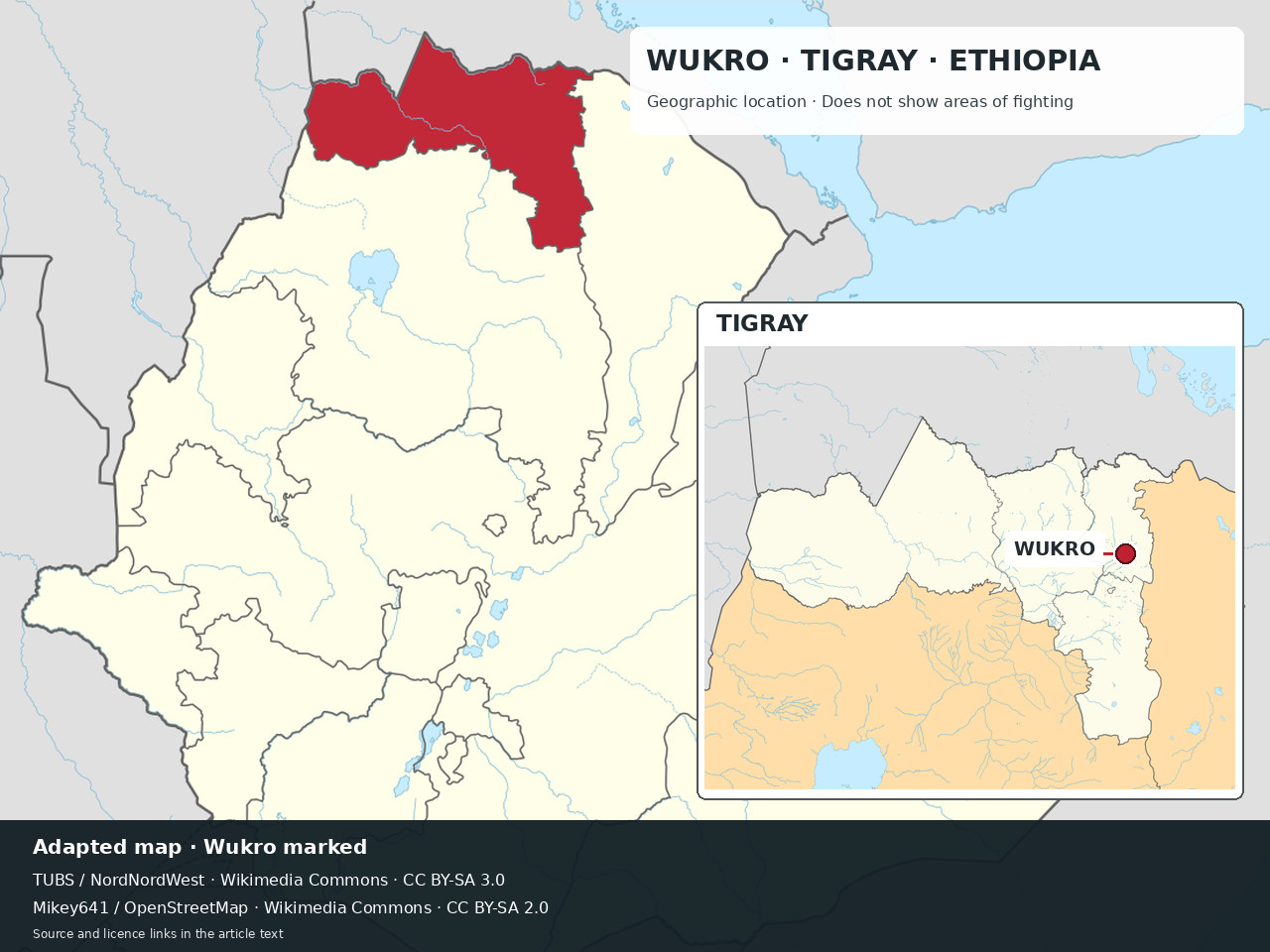
We continue to stand by Wukro
In our publication of 28 September, “Tigray faces another serious escalation of violence”, we expressed our concern for a population still facing the consequences of the previous war. The United Nations’ warnings reinforce the need to protect these communities and ensure that they can receive aid.
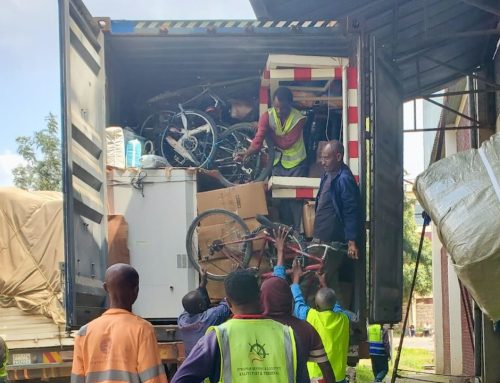
At the CIS Ángel Olaran Foundation, we reaffirm that commitment: to continue working with local people and organisations to support children, families, older people and those in situations of greatest vulnerability. Humanity, impartiality and attention to each person’s needs guide our work.
We call for an end to hostilities, the protection of civilians, and safe and unhindered access to humanitarian assistance. The safety of those receiving and providing aid remains a priority, while sustaining the support communities need to survive and recover is essential.
We will continue trying to maintain contact with our partners and adapting our collaboration to security, access and communication conditions. Although the United Nations’ information does not confirm the specific conditions in Wukro, we will continue reporting on its situation when we have verified information.
Your support helps us continue working with the most vulnerable people in Wukro.
With the collaboration of