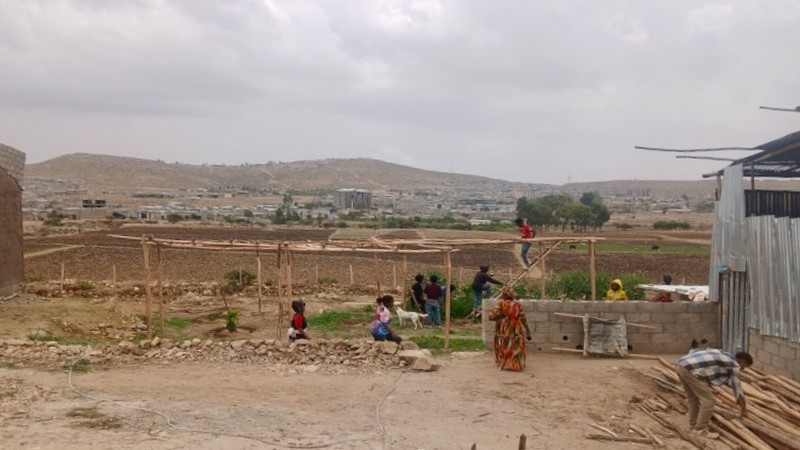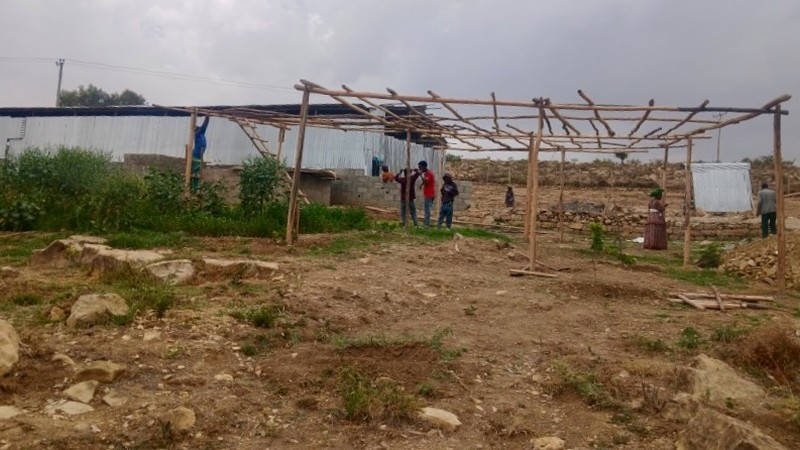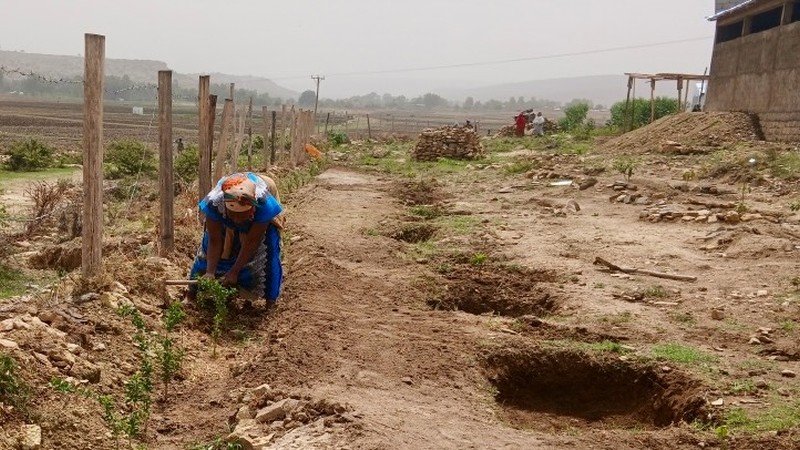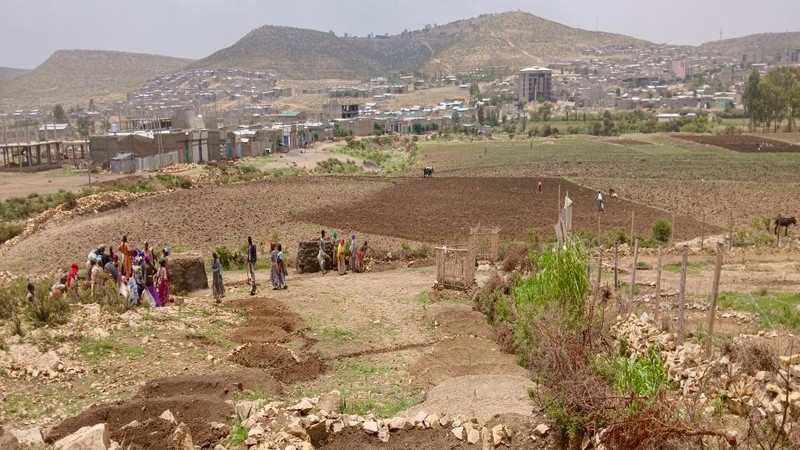


Women’s poultry farm and garden in Agulae, Tigray, Ethiopia
Women’s poultry farm and garden in Agulae, Tigray, Ethiopia
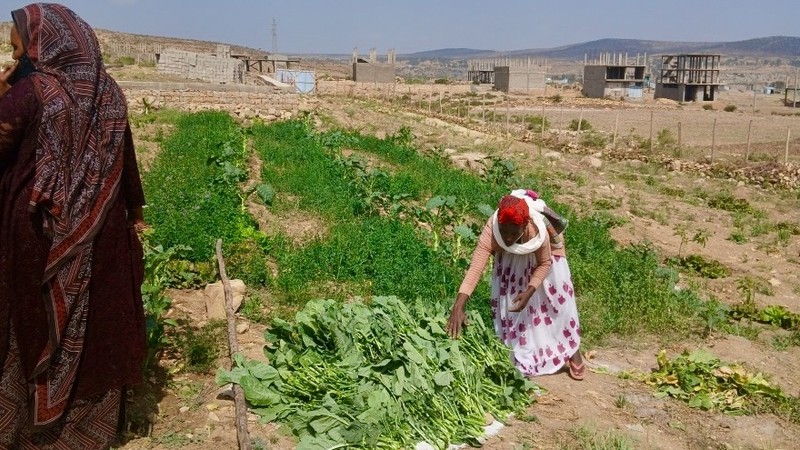
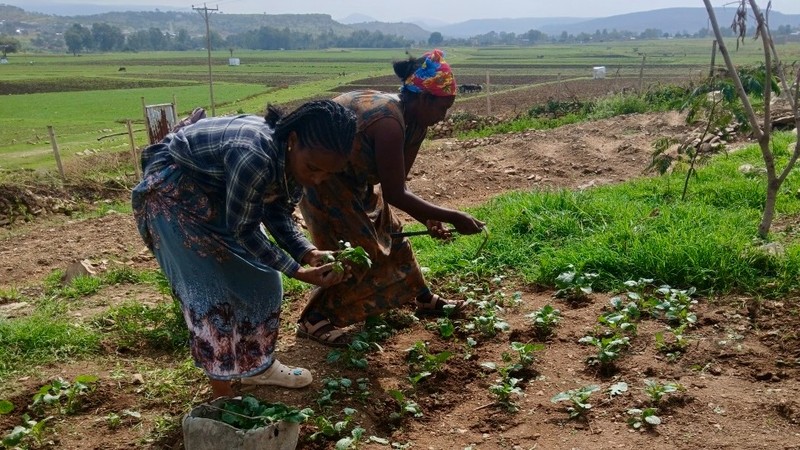
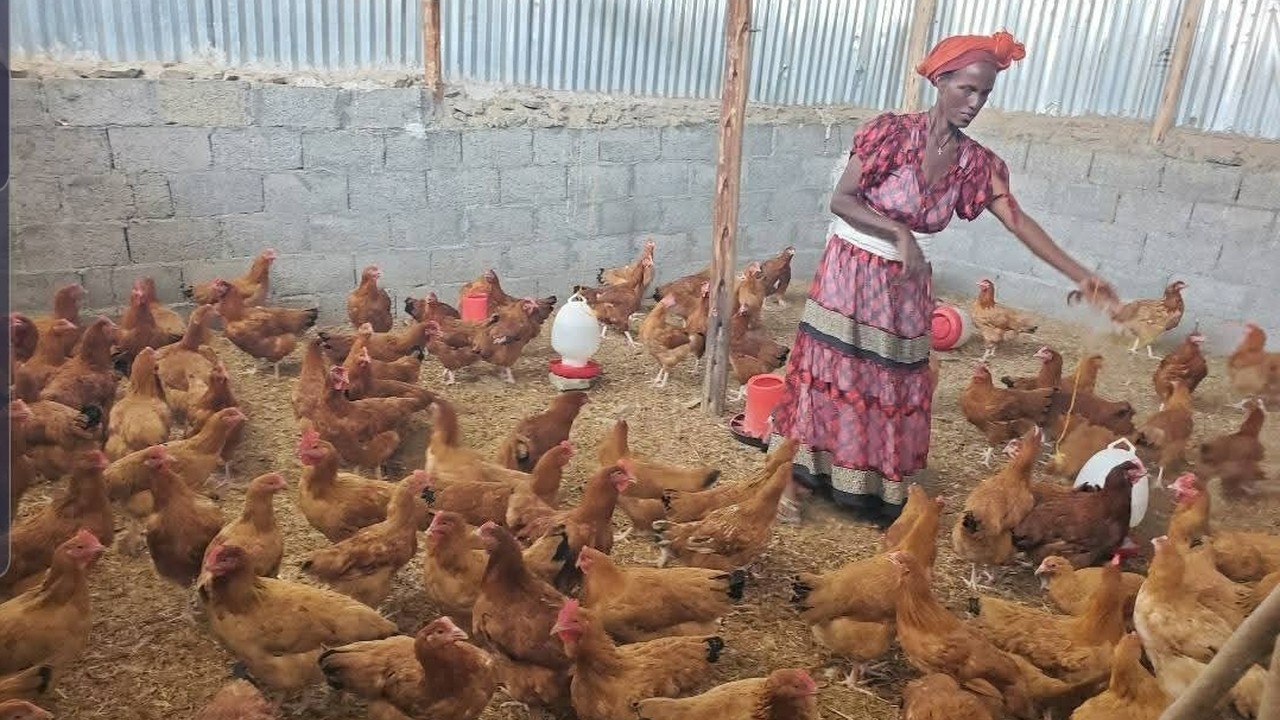
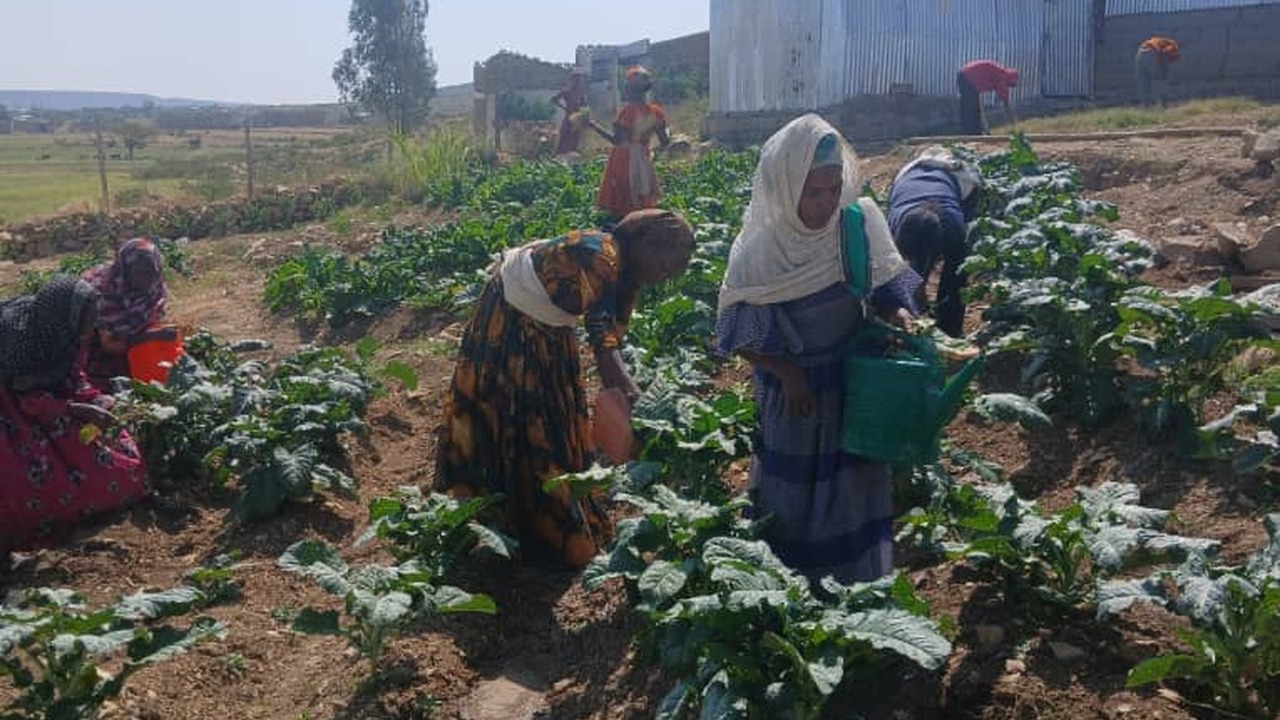
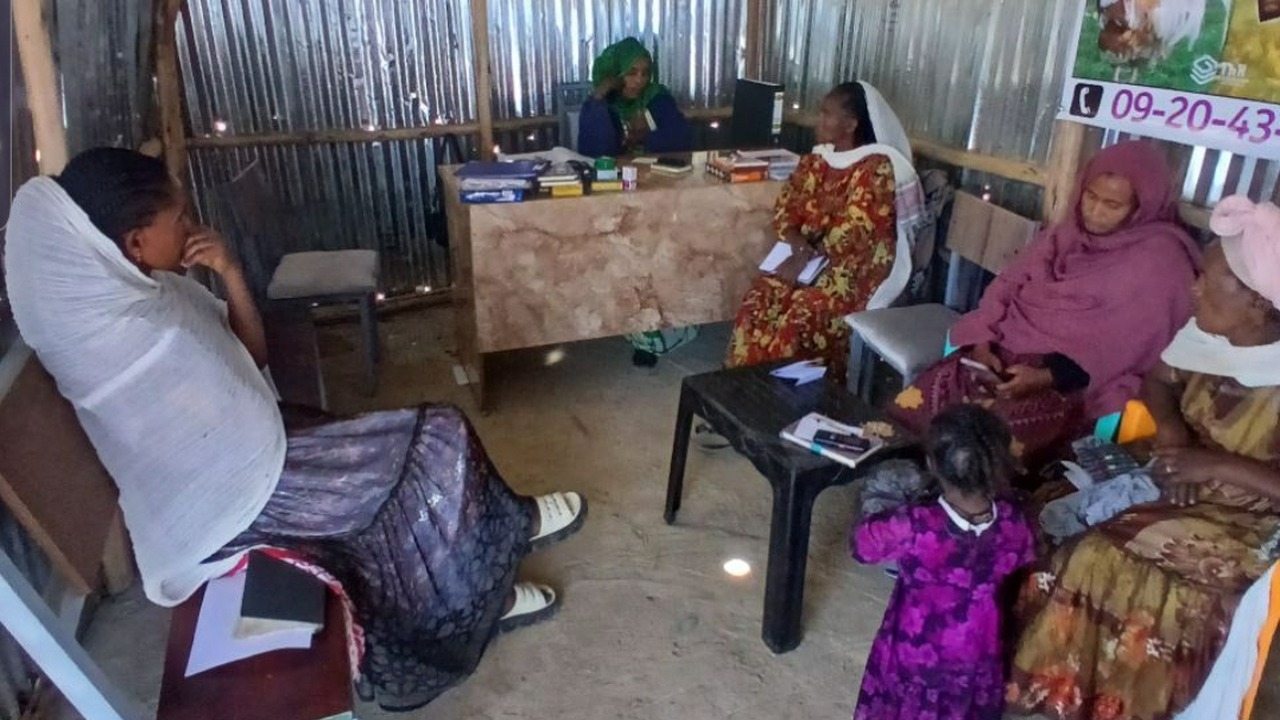
The Fundació CIS Ángel Olaran is working with IPADA to support the women’s poultry farm and garden in Agulae, Tigray, Ethiopia, a productive initiative led by 72 women. The project has restored facilities and improved access to water and helped make better use of the land, with the aim of supporting food production and generating income for their families. It also includes plans for further improvements, reflecting the women’s commitment to continuing to develop the farm.
Project overview
Location: Agulae, Tsira Wonberta woreda, Eastern Zone of Tigray, Ethiopia.
Implementing organisation: IPADA — Inclusive Peace and Development in Africa, responsible for implementation and coordination on the ground.
Cooperative: Selam Derho Misray Hibret Sira Mahber, also known as the Salam Poultry Farm Cooperative.
Participants: 72 women heading low-income households, whose families comprise approximately 360 people.
Existing resources: A plot of approximately 2,400 m², facilities and experience in working as a cooperative.
An initiative the women have chosen to rebuild
Before 2020, the women of the cooperative had succeeded in developing a poultry farming activity that improved their livelihoods. During the Tigray war from 2020 to 2022, the farm was looted and destroyed, and the animals and means of production were lost. A subsequent attempt to resume activities on a small scale was affected by disease outbreaks that caused the loss of their chickens.
Despite these difficulties, the group remained united and maintained its determination to resume production. After visiting the area and meeting its representatives, IPADA undertook to support the restoration of the farm and the development of a garden. The intervention has drawn on the land, facilities that could be rehabilitated and the women’s knowledge to rebuild a collectively managed productive base.
Overall objective and specific objectives
The overall objective is to help restore the livelihoods and strengthen the economic autonomy of the women of Agulae by restarting poultry farming and making use of their plot. To this end, the project focuses on:
• -Restoring the facilities and basic services needed for poultry farming.
• -Improving the water supply and the protection of the site.
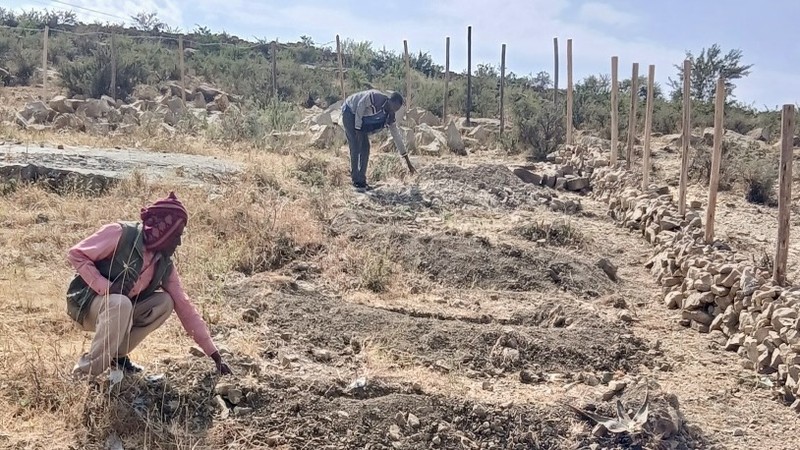
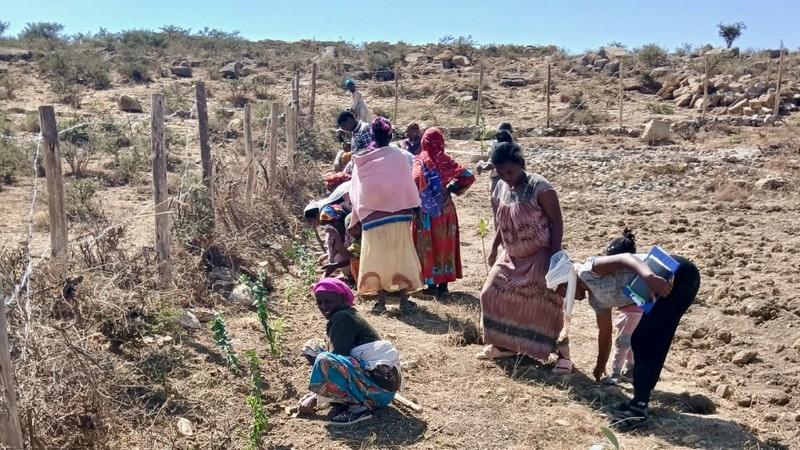
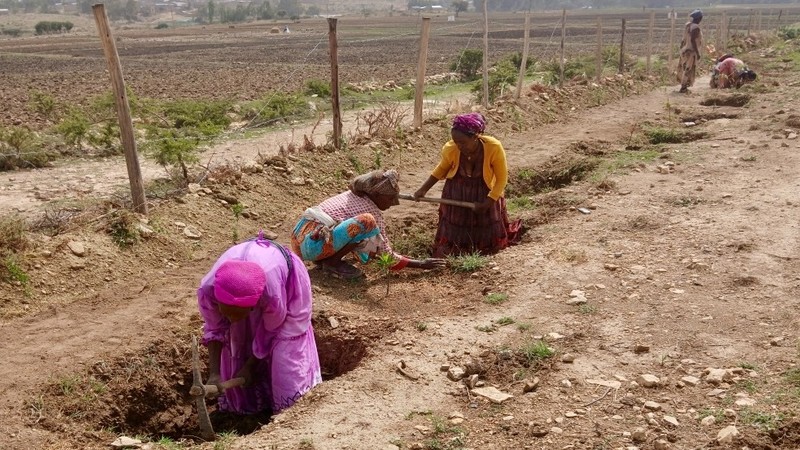
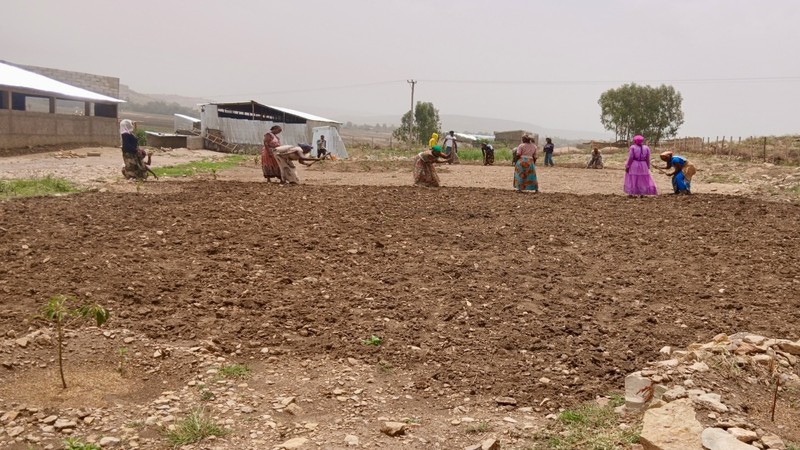
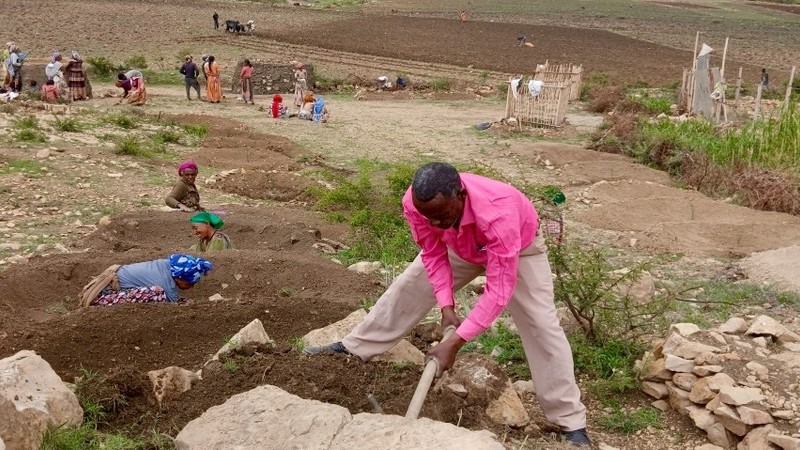
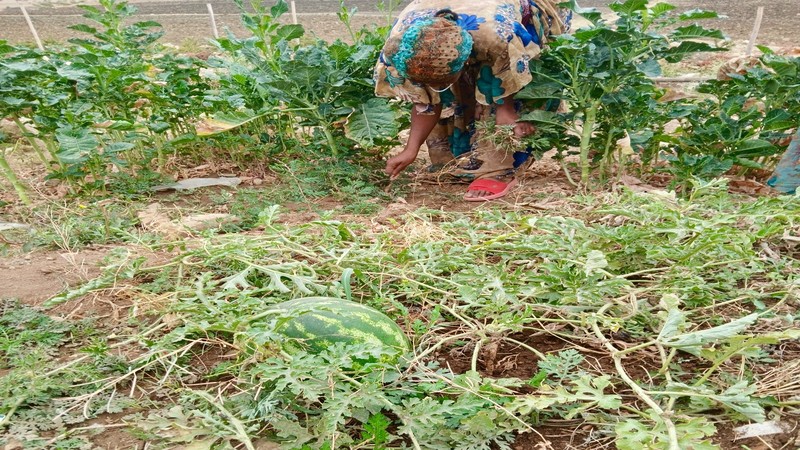
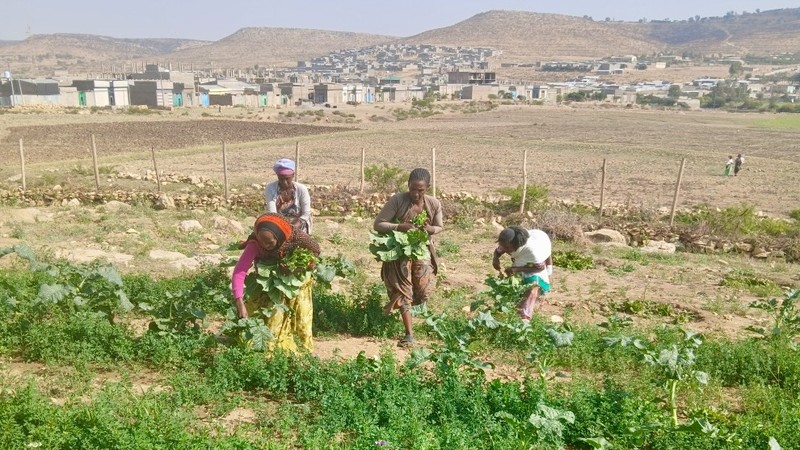
• -Developing the garden with fruit trees, fodder plants and vegetables, incorporating soil and water conservation measures.
• -Strengthening the conditions for a cooperative enterprise capable of producing food and generating income on an ongoing basis.
Activities carried out
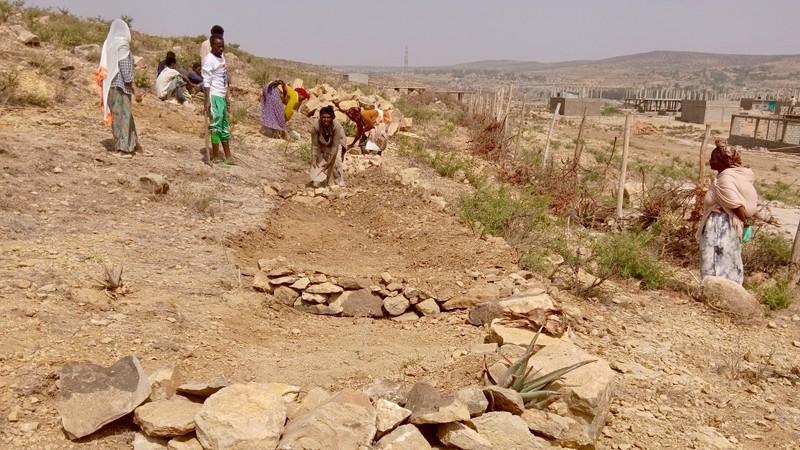
The intervention has been carried out in coordination with the cooperative and the local administration. The women have actively participated in procuring materials and mobilising the labour needed for the work.
Rehabilitating the farm
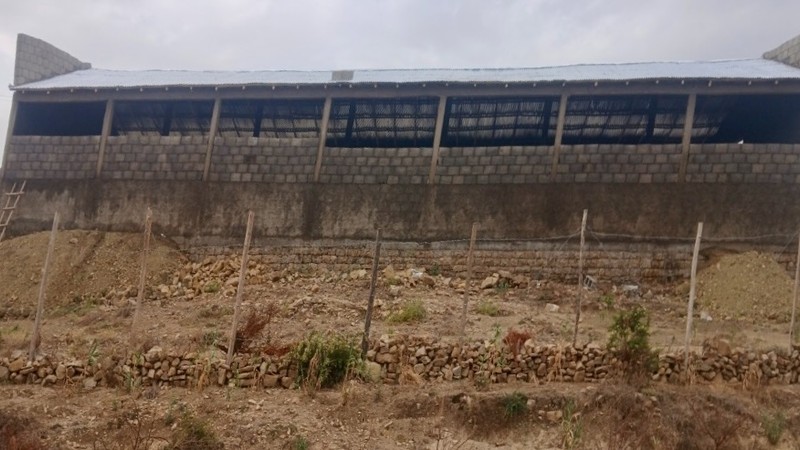
Maintenance work has been carried out on the poultry house and storage areas, alongside repairs to the electrical lines and water pipes. These improvements restore basic infrastructure needed for the farm to operate.
Water storage and distribution
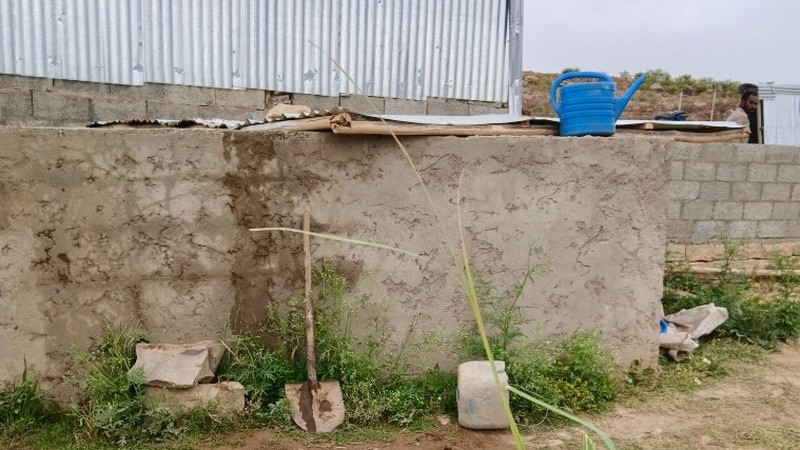
A tank has been built and pipes and fittings have been installed to meet the water supply needs of the farm and the cultivated area.
Protecting the plot and conserving the soil
Materials have been purchased for poultry farming and watershed management, and the site has been fenced with barbed wire and thorny plants. Protection of the facilities has been complemented by biological soil and water conservation measures.
Developing the garden
Fruit trees, fodder crops and vegetables have been introduced to make fuller use of the land and complement poultry farming.
Restoring agricultural production
The project includes plans to purchase chickens and poultry feed to facilitate the resumption of production.
The women’s commitment and local support
At the Fundació CIS Ángel Olaran, we provide financial support for this initiative to help the women of Agulae restore their livelihoods. Our contribution complements their efforts and the backing of local institutions, which strengthen the project’s continuity. In addition to our financial contribution, we provide agricultural technical support to assist with the development of the garden and the use of the plot’s resources, in coordination with IPADA.
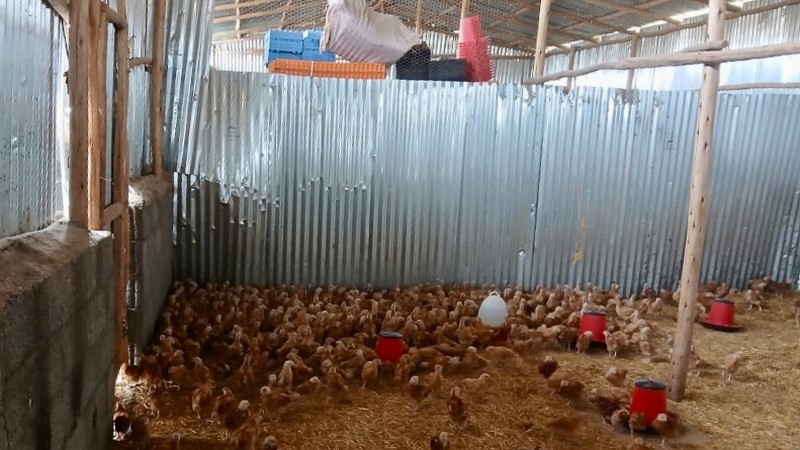
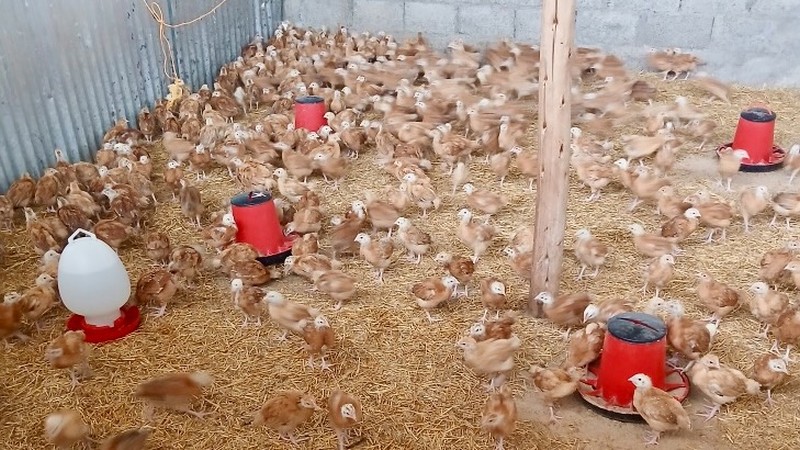
The women themselves have used part of their savings to purchase drinkers, feeders and feed. This contribution, together with their participation in the work, demonstrates their commitment to restoring the farm and their determination to sustain a productive activity of their own. The support they receive helps mobilise resources and capabilities that already exist within the community.
The project also has the backing of the Department of Women’s and Social Affairs and the administration of Tsirae Womberta woreda, with whom evaluations of its progress are shared. The initiative’s positive results have encouraged the Department of Agriculture to join this effort by providing an additional building for the farm. This involvement strengthens local confidence in the project and in the women’s ability to take it forward.
Monitoring on the ground is carried out by Berhane Taffere, a member of the IPADA team, our partner organisation and the project’s implementing entity. His close support helps address the participants’ needs and adapt assistance to changes as they arise. For the women, having a person they can turn to with their concerns and difficulties means feeling heard and supported throughout the recovery process.
The experience is becoming a model in Agulae thanks to the women’s organisation and the collaboration between the cooperative, organisations and local institutions. For our Foundation, supporting this effort means providing resources that, together with monitoring on the ground, help open up new opportunities for the women to restore their livelihoods and shape their own future.
The Foundation’s contribution and expected benefits
Thanks to the contributions of individuals, organisations and businesses that place their trust in the Fundació Privada Centre d’Iniciatives Solidàries Ángel Olaran, in October 2026, we have transferred an initial contribution of €5,900 to IPADA in support of the project as a whole. This contribution complements the work and resources of the 72 women of Agulae to restore a productive activity that they can manage and sustain themselves.
The activities carried out have improved the cooperative’s material conditions and laid the foundations for progress in food production, income generation and greater economic autonomy for the participants. Maintaining these advances and consolidating the operation of the farm and garden requires continuity and further resources.
Our fundraising target is €9,000. Every new contribution brings us closer to this goal and helps sustain the project. Your donation will support the women of Agulae in their efforts to restore their livelihoods and build a future with more opportunities for their families.
Donate to the women’s project in Agulae, Tigray (Ethiopia).
Sustainability and continuity
Continuity rests on the women’s organisation, their previous experience in poultry farming and the restoration of shared assets. The land, poultry house, storage facilities and water supply improvements provide resources to maintain activities beyond the rehabilitation phase. IPADA has coordinated implementation with the cooperative and the local administration, which has provided technical and logistical support.
Combining poultry farming and crop cultivation offers opportunities to diversify products and make better use of the plot. The production approach includes using manure as fertiliser and growing fodder as opportunities to integrate the different activities.
Maintaining the results will require a reliable supply of water and inputs, attention to bird health, upkeep of the facilities and financial management that covers operating costs. These conditions need to be checked through monitoring, particularly given the history of poultry diseases.
Future areas of work include purchasing dairy cows, strengthening the fencing, obtaining means of transport, installing a solar-powered or generator-driven water pumping system to draw water from the river, and expanding the garden. These initiatives reflect the women’s intention to continue developing the farm.
Much more than a chicken farm
For the women of Agulae, restoring the farm means continuing a shared effort interrupted by the war. The loss of the animals and facilities affected an activity they had built together. Remaining united after those losses has been one of their main strengths and the starting point for beginning again.
The farm provides a space from which to rebuild an activity of their own, share responsibilities and work towards their families’ well-being. Every repair and every improvement in access to water matters because it helps restore their ability to produce and make decisions about their future.
The project links poultry farming with the use of the land. Chickens can provide eggs, meat and income; the plot allows fruit trees, vegetables and fodder plants to be grown; and stored water helps meet the crops’ needs during dry periods. In turn, organic waste from the farm can be used as fertiliser to improve the soil. This system offers opportunities to make better use of resources, gradually reduce reliance on certain external inputs and support the continuity of activities.
In this process, the Fundació CIS Ángel Olaran support for IPADA complements the women’s own work, experience and resources. Financial support provides an impetus to mobilise local capabilities and restore means of production that the cooperative can manage and maintain. Its value also lies in supporting an initiative that comes from the women themselves and their decision to rebuild together.
IPADA, which is responsible for implementation on the ground, connects this effort with support from the Ethiopian authorities. Local collaboration makes it possible to draw on existing technical knowledge and public resources, as well as facilitate access to agricultural and veterinary support services that are relevant to the farm’s continuity.
The human dimension of the project lies in this cooperative relationship: women sustaining a shared initiative, an organisation supporting them on the ground and our Foundation contributing to making their recovery possible. The shared aim is for this effort to translate into food, income and greater autonomy for the women and their families.
With the collaboration of

Project photos